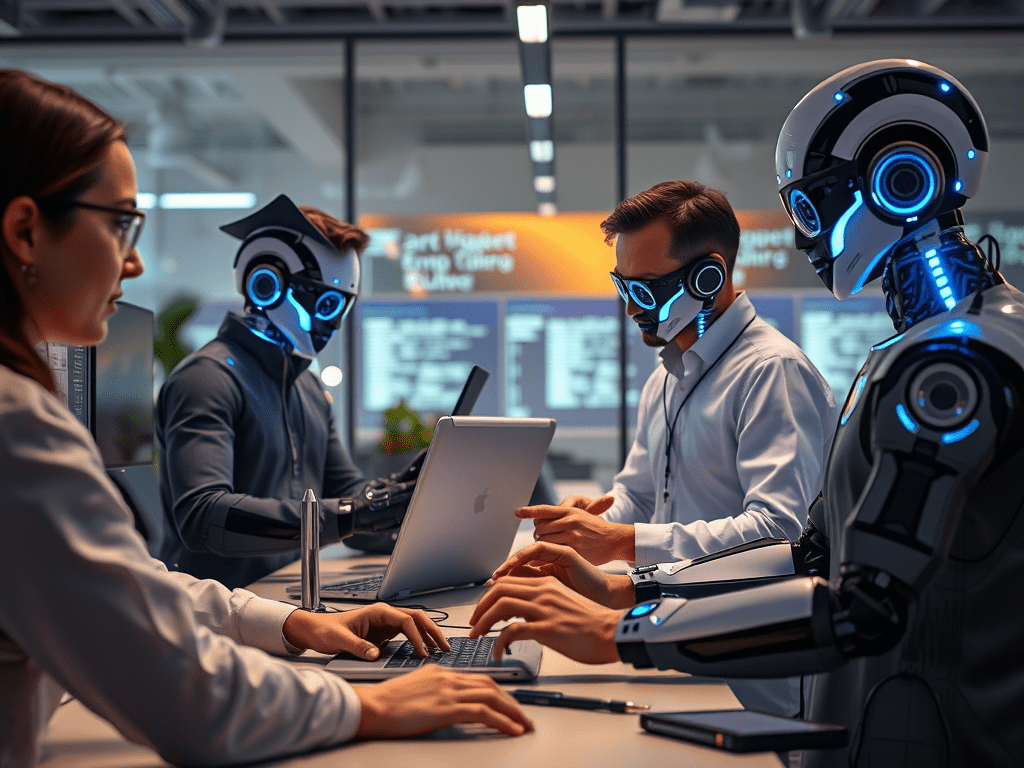
The advent of technology has brought about a revolutionary shift in how we approach tasks, both in our personal and professional lives. Human-machine collaboration is at the forefront of this transformation, enabling us to leverage the unique strengths of both humans and machines. This synergy not only enhances productivity but also drives innovation across various sectors.
In this article, we will explore three compelling examples that highlight how humans and machines are working together to achieve remarkable results. From healthcare to logistics, these examples underscore the growing importance of integrating human intelligence with machine efficiency.
Stay tuned as we dive into these fascinating case studies, and see how this dynamic partnership is shaping the future. Follow our videos at https://youtube.com/@atozofsoftwareengineering to stay updated on the latest trends in software engineering and leadership.
Healthcare: Enhanced Diagnosis and Treatment
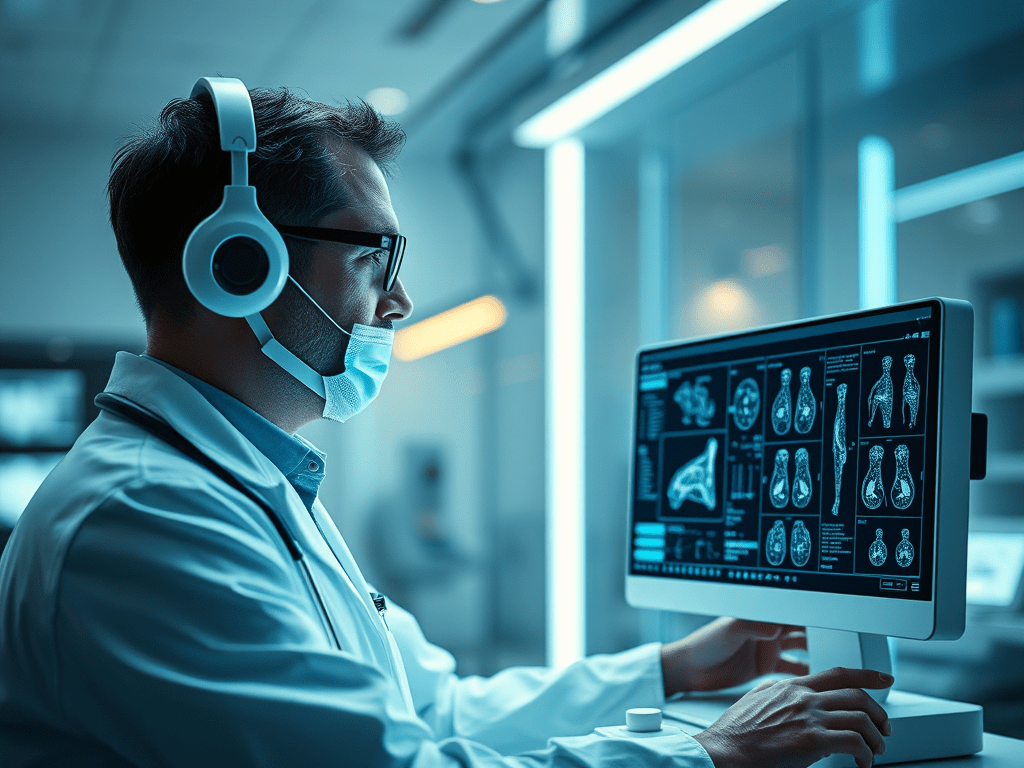
In the healthcare industry, the integration of humans and machines working together has led to groundbreaking advancements in diagnosis and treatment. One of the most notable examples is the use of artificial intelligence (AI) in medical imaging. AI algorithms can analyze medical images such as X-rays, MRIs, and CT scans with remarkable accuracy, often identifying anomalies that might be missed by human eyes.
This technology is not meant to replace radiologists but to augment their capabilities. By flagging potential issues, AI allows doctors to focus on making more informed decisions, ultimately improving patient outcomes. Furthermore, it significantly reduces the time needed for diagnosis, enabling faster treatment interventions.
Another exciting development is the use of robotics in surgery. Robotic surgical systems, such as the da Vinci Surgical System, allow surgeons to perform complex procedures with enhanced precision and control. These systems provide a range of motion beyond human capability and minimize the invasiveness of surgeries, leading to faster recovery times for patients.
Moreover, machine learning models are being used to predict patient outcomes based on historical data. By analyzing patterns and trends, these models can provide valuable insights into potential complications and suggest personalized treatment plans. This collaborative approach ensures that patients receive the most effective care tailored to their specific needs.
As we continue to innovate, the collaboration between humans and machines in healthcare promises to revolutionize the way we approach medical challenges, leading to better health outcomes and improved quality of life.
Manufacturing: Smart Factories and Automation
In the realm of manufacturing, the synergy between humans and machines working together has given birth to the concept of smart factories, where automation and human oversight create a seamless production environment. These factories leverage advanced technologies such as the Internet of Things (IoT), artificial intelligence (AI), and robotics to optimize production processes and enhance efficiency.
One prime example of this collaboration is in predictive maintenance. IoT sensors embedded in machinery continuously monitor equipment health and performance. These sensors collect data in real-time, which is then analyzed using AI algorithms to predict when a machine is likely to fail. This proactive approach allows human operators to perform maintenance before any breakdown occurs, minimizing downtime and saving costs.
Another key aspect of smart factories is the use of collaborative robots, or cobots. Unlike traditional industrial robots that operate in isolated conditions, cobots are designed to work alongside human workers. These robots can handle repetitive and physically demanding tasks, reducing the risk of injury and freeing up human workers to focus on more complex, value-added activities.
Additionally, AI-driven quality control systems are revolutionizing how manufacturing defects are identified and addressed. High-resolution cameras and machine learning algorithms inspect products at various stages of production, detecting inconsistencies with greater accuracy and speed than manual inspections could achieve. Human workers then review these flagged issues to determine the best course of action, ensuring that only the highest quality products reach the market.
Through these innovations, the partnership between humans and machines in manufacturing not only boosts productivity but also enhances job satisfaction by allowing workers to engage in more meaningful and less strenuous tasks. This harmonious blend of automation and human expertise is paving the way for a new era of manufacturing excellence.
Customer Service: AI-Powered Support Systems
The customer service industry has been significantly transformed by the integration of AI-powered support systems, illustrating another powerful example of humans and machines working together. These systems combine the efficiency of artificial intelligence with the empathy and problem-solving skills of human agents to deliver superior customer experiences.
One prominent example is the use of chatbots. These AI-driven virtual assistants are available 24/7, providing instant responses to common customer queries. They can handle a wide range of tasks, from answering basic questions to processing orders, thereby reducing the workload on human agents. This allows human representatives to focus on more complex issues that require a personal touch, resulting in quicker resolution times and higher customer satisfaction.
Another remarkable application is in sentiment analysis. AI algorithms analyze customer interactions in real-time, detecting emotions and sentiments from text or voice communications. This analysis enables customer service teams to gauge customer satisfaction levels and respond appropriately. For instance, if a customer is detected to be frustrated, the system can alert a human supervisor to intervene and provide a higher level of support.
AI-powered support systems also offer intelligent routing capabilities. By analyzing the nature of customer inquiries, these systems can direct queries to the most appropriate human agent based on their expertise and availability. This ensures that customers receive accurate and efficient assistance, while human agents can work on issues that match their skill sets, leading to better job performance and satisfaction.
Furthermore, AI tools can assist in training and upskilling customer service representatives. By analyzing past interactions, AI can identify areas for improvement and recommend targeted training programs. This continuous learning loop helps human agents enhance their skills and adapt to evolving customer needs.
Overall, the collaboration between AI-powered systems and human agents in customer service is creating a more responsive, efficient, and personalized support environment. This blend of technology and human touch is setting new standards for customer care, ensuring that businesses can meet the ever-changing demands of their clientele.
Challenges and Ethical Considerations
While the collaboration between humans and machines brings numerous benefits, it also presents several challenges and ethical considerations that need to be addressed. As we continue to integrate AI and machine learning into various sectors, understanding these challenges is crucial to ensure responsible and fair usage.
One of the primary challenges is the risk of job displacement. As machines take over repetitive and mundane tasks, there is a growing concern about the potential loss of jobs. It is essential to strike a balance where machines enhance human capabilities rather than replace them entirely. Upskilling and reskilling programs are necessary to help the workforce transition into new roles that require human creativity, critical thinking, and emotional intelligence.
Data privacy is another significant concern. AI systems often rely on vast amounts of data to function effectively. Ensuring the protection of personal information and preventing unauthorized access is paramount. Organizations must adopt stringent data governance policies and adhere to regulatory frameworks to safeguard user data.
Bias in AI algorithms is a critical ethical issue. Since AI systems learn from historical data, they can inadvertently perpetuate existing biases present in the data. This can lead to unfair treatment and discrimination in decision-making processes. Developers need to implement strategies to identify and mitigate bias, ensuring that AI systems make equitable and transparent decisions.
Transparency and accountability in AI decision-making are also essential. Users should have a clear understanding of how AI systems reach their conclusions, especially in critical areas like healthcare, finance, and criminal justice. Implementing explainable AI techniques can help in making AI decisions more understandable and trustworthy.
Lastly, there is the challenge of ensuring the ethical use of AI. As AI becomes more autonomous, establishing ethical guidelines and principles for its deployment is crucial. These guidelines should address issues like AI’s role in surveillance, the use of AI in military applications, and the potential for AI to be used in ways that harm society.
Addressing these challenges and ethical considerations is vital for fostering a harmonious relationship between humans and machines. By doing so, we can harness the full potential of AI while ensuring that it serves the best interests of humanity.
Future of Human-Machine Collaboration
The future of human-machine collaboration holds immense potential and promises transformative changes across various industries. As technology continues to advance at a rapid pace, the synergy between human intelligence and machine efficiency is expected to reach unprecedented levels, driving innovation and productivity.
One of the most exciting prospects is the evolution of augmented intelligence. Unlike artificial intelligence, which aims to replicate human cognition, augmented intelligence focuses on enhancing human decision-making with the aid of machines. This approach ensures that human insight and expertise remain central, while machines provide comprehensive data analysis, pattern recognition, and predictive capabilities. This collaboration will empower professionals in fields such as healthcare, finance, and education to make more informed and accurate decisions.
In the realm of healthcare, the integration of AI and machine learning is set to revolutionize patient care. From personalized treatment plans to early diagnosis of diseases, the collaboration between humans and machines can lead to significant improvements in health outcomes. AI-powered tools can assist doctors in analyzing complex medical data, identifying potential health risks, and recommending tailored interventions, ultimately enhancing the quality of care.
In manufacturing, the concept of Industry 4.0 is rapidly gaining traction. This new era of industrialization leverages smart technologies, such as the Internet of Things (IoT), robotics, and AI, to create highly efficient and adaptive production environments. Human workers will collaborate with intelligent machines to optimize production processes, enhance product quality, and reduce downtime. This partnership will not only boost productivity but also create safer and more engaging work environments.
Education is another field where human-machine collaboration is poised to make a significant impact. AI-driven educational platforms can offer personalized learning experiences, adapting to individual students’ needs and learning paces. Teachers can leverage these technologies to identify students’ strengths and weaknesses, provide targeted support, and foster a more inclusive and effective learning environment.
As we look to the future, it is essential to continue addressing the challenges and ethical considerations associated with human-machine collaboration. By fostering a responsible and thoughtful approach, we can ensure that these advancements benefit society as a whole.
Stay ahead of the curve by exploring more about the latest trends in software engineering technology and leadership. Follow our videos at https://youtube.com/@atozofsoftwareengineering and visit our blog at atozofsoftwareengineering.blog for in-depth insights and updates!















Leave a comment