
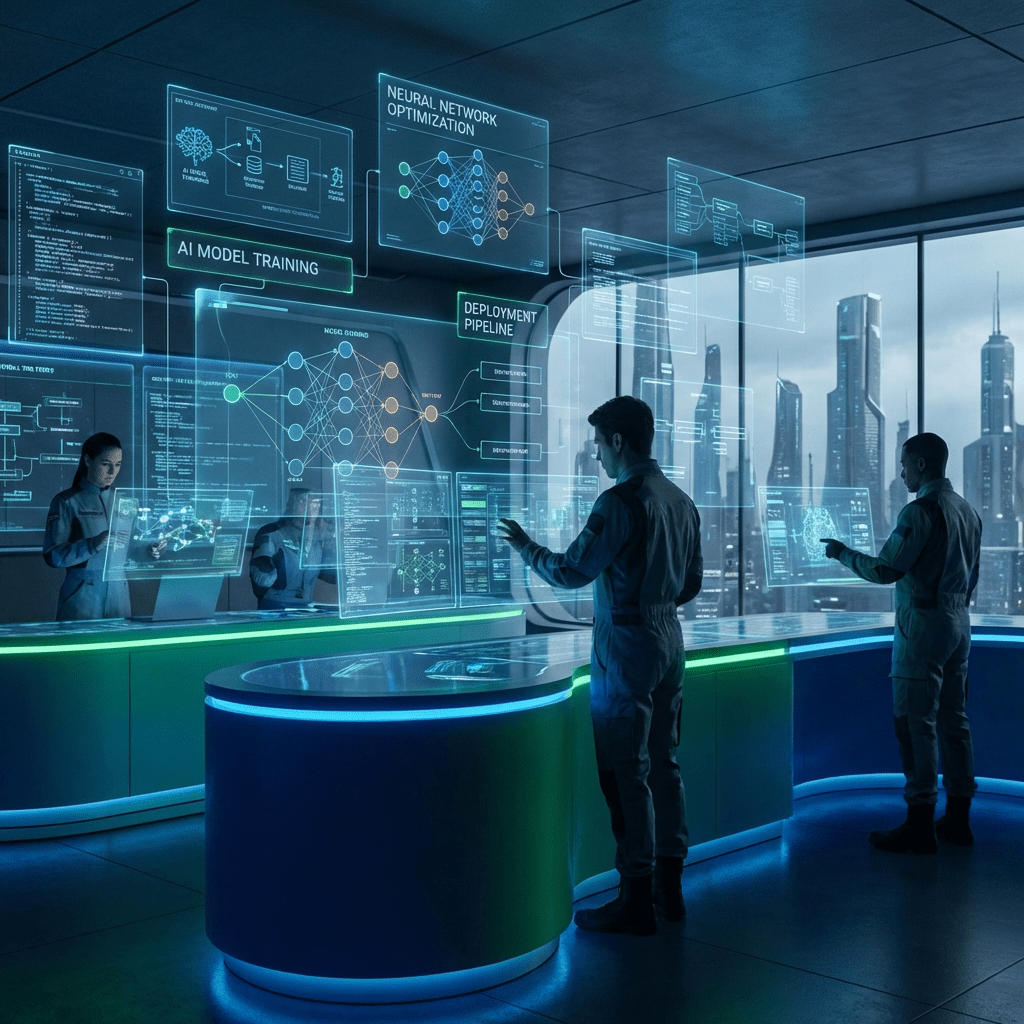
In today’s era of rapid technological advancement, human-machine systems have become an integral part of our daily lives. These systems, which seamlessly integrate human capabilities with sophisticated machines, aim to enhance efficiency, productivity, and overall user experience. From the voice-activated assistants in our homes to advanced robotics in manufacturing, the synergy between humans and machines is transforming various industries.
Understanding the fundamental principles behind human-machine systems is essential for appreciating their impact. At its core, a human-machine system is designed to leverage the strengths of both humans and machines, creating a harmonious blend where each complements the other. While humans bring creativity, decision-making, and adaptability to the table, machines offer precision, speed, and the ability to handle repetitive tasks without fatigue.
For instance, consider the field of aviation. Modern aircraft are equipped with advanced autopilot systems that can handle most aspects of flying. However, pilots are still crucial for making critical decisions, especially in unforeseen circumstances. This collaboration leads to safer and more efficient flights.
Intrigued by how these systems work? Stay ahead of the curve and delve deeper into the world of human-machine systems by exploring more content on our blog at atozofsoftwareengineering.blog.
Automotive Industry Innovations
The automotive industry has been a hotbed of innovation when it comes to human-machine systems. One of the most notable advancements is the development of autonomous vehicles. These self-driving cars utilize a combination of sensors, cameras, and artificial intelligence to navigate roads without human intervention. Companies like Tesla, Waymo, and Uber are at the forefront of this technology, aiming to revolutionize transportation by making it safer and more efficient.
Another significant innovation is the integration of advanced driver-assistance systems (ADAS). These systems provide various features such as adaptive cruise control, lane-keeping assistance, and automated parking. By augmenting the driver’s capabilities, ADAS aims to reduce the likelihood of accidents and improve overall driving comfort. For example, adaptive cruise control adjusts the vehicle’s speed based on the traffic flow, ensuring a safe distance from the car ahead.
Electric vehicles (EVs) are also transforming the automotive landscape. Companies like Tesla and Nissan are leading the charge with their electric models, which are not only environmentally friendly but also equipped with sophisticated human-machine interfaces. These interfaces provide real-time feedback on battery life, charging stations, and more, making the driving experience more intuitive and user-friendly.
Moreover, the concept of connected cars is gaining traction. These vehicles are equipped with internet connectivity, allowing them to communicate with other devices and infrastructure. This connectivity enables features like real-time traffic updates, remote diagnostics, and even vehicle-to-vehicle communication, enhancing safety and convenience for drivers.
As the automotive industry continues to innovate, the integration of human-machine systems will play a pivotal role in shaping the future of transportation. The journey from traditional vehicles to intelligent, connected machines is well underway, promising a safer, more efficient driving experience for all.
Healthcare and Medical Advancements
In the realm of healthcare and medical advancements, human-machine systems have made groundbreaking strides that are transforming patient care and medical research. One of the most significant innovations is the advent of robotic surgery. Systems like the Da Vinci Surgical System allow surgeons to perform complex procedures with unprecedented precision and control. These robots are equipped with high-definition 3D cameras and miniature instruments that can be maneuvered with extreme accuracy, reducing the risk of complications and speeding up recovery times for patients.
Artificial intelligence (AI) is also making waves in diagnostics and treatment planning. Machine learning algorithms can analyze vast amounts of medical data to identify patterns and make predictions that would be impossible for humans to achieve alone. For instance, AI-driven diagnostic tools can detect early signs of diseases such as cancer from medical images, often with greater accuracy than human radiologists. This early detection is crucial for effective treatment and better patient outcomes.
Wearable health devices are another area where human-machine systems are having a significant impact. Devices like smartwatches and fitness trackers monitor vital signs such as heart rate, blood pressure, and oxygen levels in real-time. These devices provide users with actionable insights into their health, encouraging proactive management of chronic conditions and healthier lifestyle choices. Additionally, they can alert healthcare providers to potential issues before they become critical, facilitating timely intervention.
Telemedicine has also surged in popularity, especially in the wake of the COVID-19 pandemic. Human-machine systems enable remote consultations, allowing patients to receive medical advice and treatment without leaving their homes. This is particularly beneficial for individuals in remote or underserved areas, where access to healthcare facilities may be limited. Advanced telemedicine platforms can also integrate with electronic health records (EHRs), ensuring that healthcare providers have access to comprehensive patient information during virtual consultations.
The integration of human-machine systems in healthcare is not just limited to patient-facing technologies. Behind the scenes, these systems are revolutionizing medical research and drug development. High-throughput screening robots can test thousands of drug compounds in a fraction of the time it would take a human researcher. AI algorithms can analyze the results to identify the most promising candidates for further development, accelerating the pace of medical innovation.
Smart Home and IoT Devices
The integration of smart home and IoT devices into everyday living has revolutionized the way we interact with our environments. These systems leverage advanced sensors, artificial intelligence, and connectivity to create living spaces that are more efficient, comfortable, and secure.
One of the most popular applications of smart home technology is in home automation. Devices such as smart thermostats, like the Nest Learning Thermostat, adapt to the homeowner’s schedule and preferences, optimizing energy consumption and reducing utility bills. Similarly, smart lighting systems can be programmed to adjust based on the time of day, occupancy, or even mood settings, enhancing both convenience and energy efficiency.
Security is another critical area where IoT devices are making a significant impact. Smart security systems, including video doorbells like Ring and advanced surveillance cameras, allow homeowners to monitor their properties in real-time from anywhere in the world. These systems often come with motion detection and facial recognition capabilities, providing an added layer of protection by alerting owners to unusual activities and enabling quick responses.
Voice-activated assistants such as Amazon’s Alexa and Google Home have become central hubs for many smart homes. These devices can control a wide array of connected gadgets, from lights and thermostats to entertainment systems and appliances. With natural language processing capabilities, they can understand and execute complex commands, making it easier for users to manage their homes with simple voice prompts.
Health and wellness are also being enhanced through smart home technologies. Smart beds, like those from Sleep Number, can monitor sleep patterns and make adjustments to improve sleep quality. Connected kitchen appliances can assist in meal preparation by providing recipe suggestions, managing cooking times, and even keeping track of ingredient freshness. These innovations help create a healthier and more efficient living environment.
Moreover, the development of interconnected IoT ecosystems means that smart devices can work together seamlessly. For instance, a smart home security system can be linked with smart lighting to automatically turn on lights when motion is detected, deterring potential intruders. Integration with smart home hubs ensures that all devices communicate effectively, providing a cohesive and streamlined user experience.
As technology continues to advance, the potential for smart home and IoT devices to improve our daily lives will only grow. These systems not only offer convenience and efficiency but also contribute to sustainability by optimizing resource use and reducing waste. The future of smart homes promises even more intelligent and interconnected devices, creating environments that are truly responsive to the needs and preferences of their inhabitants.
Industrial Automation and Robotics
The realm of industrial automation and robotics is experiencing a transformative shift, redefining the landscape of manufacturing and production. These technologies are designed to streamline operations, enhance precision, and improve productivity, paving the way for the future of industry.
At the heart of industrial automation is the use of programmable logic controllers (PLCs) and distributed control systems (DCS) that enable the automation of complex industrial processes. These systems manage everything from assembly lines to chemical processing, ensuring that operations run smoothly with minimal human intervention. The result is a significant reduction in human error, leading to higher quality products and more efficient use of resources.
Robotics plays a crucial role in modern industrial settings. Industrial robots, such as those produced by companies like ABB and Fanuc, are capable of performing a wide range of tasks, from welding and painting to material handling and assembly. These robots are equipped with advanced sensors and artificial intelligence, allowing them to adapt to different tasks and environments. Their ability to work tirelessly without fatigue translates to increased production rates and consistency.
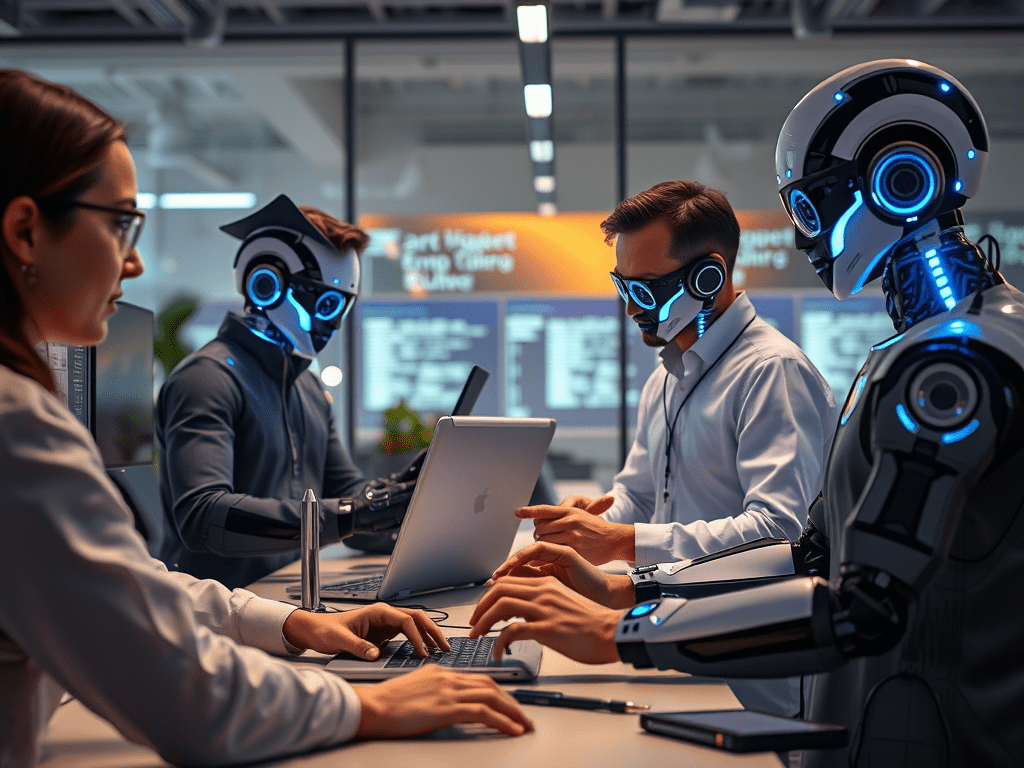
Collaborative robots, or cobots, are a recent innovation that is gaining traction in the industry. Unlike traditional industrial robots that operate in isolation, cobots are designed to work alongside human workers. They are equipped with safety features such as force sensors and vision systems that allow them to detect and respond to human presence, ensuring a safe working environment. Cobots can take on repetitive or physically demanding tasks, freeing up human workers to focus on more complex and creative aspects of production.
Another significant advancement in industrial automation is the application of the Industrial Internet of Things (IIoT). By connecting machinery and equipment to the internet, IIoT enables real-time data collection and analysis, leading to smarter decision-making and predictive maintenance. For example, sensors embedded in machinery can monitor performance and detect anomalies, allowing maintenance to be performed before a failure occurs. This proactive approach reduces downtime and extends the lifespan of equipment.
Artificial intelligence and machine learning are also making their mark on industrial automation. These technologies can analyze vast amounts of data to optimize production processes, predict equipment failures, and even improve product design. In a smart factory, AI-driven systems can dynamically adjust production parameters to maximize efficiency and minimize waste, leading to more sustainable manufacturing practices.
The integration of automation and robotics in industrial settings is not just about increasing efficiency; it’s also about enhancing flexibility. Advanced manufacturing systems can quickly adapt to changes in product design or production volume, enabling companies to respond rapidly to market demands. This agility is particularly valuable in industries such as automotive and electronics, where product lifecycles are short, and customization is key.
As these technologies continue to evolve, the possibilities for industrial automation and robotics are virtually limitless. From autonomous vehicles in warehouses to fully automated production lines, the future of manufacturing is set to be more efficient, flexible, and intelligent than ever before.
Future Trends in Human-Machine Systems
As we look towards the future, the evolution of human-machine systems promises to bring unprecedented advancements and capabilities. One of the most exciting trends is the rise of augmented reality (AR) and virtual reality (VR) in human-machine interfaces. These technologies are set to revolutionize the way we interact with machines by creating immersive environments that enhance our capabilities and understanding.
In industrial settings, AR can be used to provide real-time information overlays, guiding workers through complex tasks with precision. VR, on the other hand, offers a risk-free platform for training and simulation, allowing operators to practice and perfect their skills before applying them in the real world. These tools not only improve efficiency but also ensure higher safety standards.
Another trend to watch is the integration of artificial intelligence (AI) and machine learning (ML) into human-machine systems. AI-driven analytics can process vast amounts of data to provide insights that were previously unattainable, enabling predictive maintenance, optimized workflows, and personalized user experiences. Machine learning models can adapt to user behavior over time, making interactions more intuitive and efficient.
The development of brain-computer interfaces (BCIs) is another frontier in human-machine collaboration. BCIs have the potential to enable direct communication between the human brain and machines, bypassing traditional input methods like keyboards and touchscreens. This could lead to groundbreaking applications in healthcare, such as aiding individuals with disabilities to control prosthetic limbs or communicate through thought alone.
As the Internet of Things (IoT) continues to expand, we can expect more interconnected devices and systems, leading to smarter environments that seamlessly integrate human and machine interactions. Smart homes, cities, and workplaces will leverage IoT to provide more responsive and adaptive experiences, enhancing convenience and efficiency in our daily lives.
Ethical considerations will also play a crucial role in the future of human-machine systems. As machines become more autonomous and capable, ensuring that they operate within ethical guidelines and respect human values will be paramount. This includes addressing issues like data privacy, algorithmic bias, and the potential for job displacement due to automation.
The future of human-machine systems is bright and filled with potential. By staying informed about these emerging trends, we can better prepare for the changes and opportunities they will bring.
Stay ahead of the curve with the latest insights and trends in software engineering technology and leadership. Visit us at atozofsoftwareengineering.blog for more articles like this.












Leave a comment