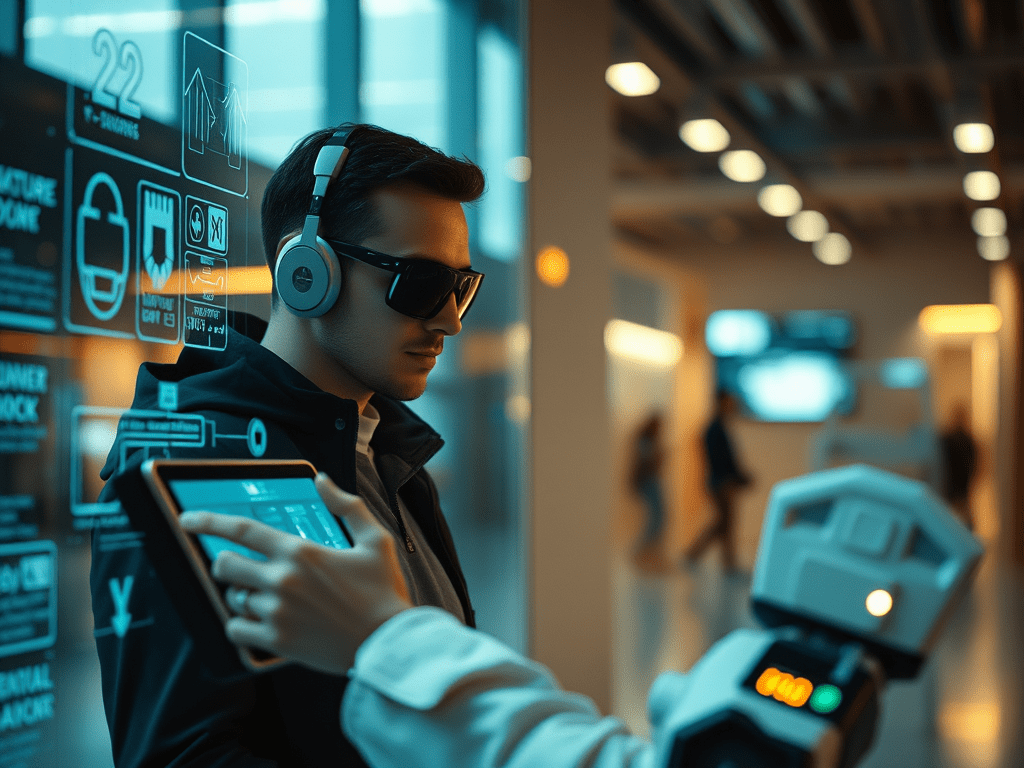
In today’s rapidly evolving technological landscape, the concept of Human-Machine Interaction (HMI) has become increasingly significant. At its core, HMI pertains to the ways in which humans and machines communicate and collaborate to achieve specific goals. This interaction can range from simple input devices like keyboards and mice to more complex systems involving artificial intelligence and virtual reality.
Understanding the human machine interaction definition is crucial for businesses and developers who aim to design intuitive and efficient systems. As technology continues to advance, the need for seamless interaction between humans and machines becomes more pressing. This involves not only the hardware and software components but also the psychological and ergonomic aspects that make these interactions user-friendly.
One of the key aspects of HMI is its ability to improve productivity and user satisfaction. By creating interfaces that are easy to use and understand, companies can enhance the overall user experience, leading to higher adoption rates and better performance. Moreover, the integration of advanced technologies such as machine learning and natural language processing is making interactions more personalized and effective.
Stay ahead of the curve by following our latest insights and trends in Human-Machine Interaction. Explore more on our blog.
Understanding Human-Machine Interaction Definition
The term Human-Machine Interaction (HMI) refers to the study and design of systems that facilitate effective communication and cooperation between humans and machines. This concept is not limited to just computers and smartphones; it encompasses a wide array of devices and systems, ranging from industrial robots and medical equipment to smart home technologies and autonomous vehicles.
At its essence, the human machine interaction definition involves understanding how humans perceive, interpret, and respond to machine actions and outputs. It also includes designing interfaces that are intuitive and meet the users’ needs. The goal is to create a seamless interaction where the user can achieve their objectives with minimal effort and maximum efficiency.
Several disciplines contribute to the field of HMI, including computer science, psychology, design, and engineering. Each of these areas brings valuable insights into how to make interactions more effective and user-friendly. For instance, psychology helps us understand user behavior and cognitive load, while design focuses on creating aesthetically pleasing and functional interfaces.
Key components of HMI include input methods (such as voice commands, touchscreens, and gesture recognition), output methods (like visual displays and auditory feedback), and the underlying algorithms that process user input and generate appropriate responses. By integrating these components effectively, developers can create systems that not only perform well but are also enjoyable to use.
Importance of Human-Machine Interaction
The importance of Human-Machine Interaction (HMI) cannot be overstated in today’s technologically driven society. As the complexity and ubiquity of machines continue to grow, so does the need for effective interaction between humans and these systems. A well-designed HMI not only enhances user experience but also significantly impacts productivity, safety, and overall satisfaction.
One of the primary reasons HMI is so crucial is its direct impact on usability. Systems that are difficult to understand or operate can lead to user frustration, errors, and inefficiencies. By focusing on intuitive design and user-centric approaches, HMI aims to minimize these issues and ensure that users can interact with machines effortlessly.
In critical fields such as healthcare, aviation, and industrial automation, the stakes are even higher. Here, effective HMI can mean the difference between success and failure, or even life and death. For example, in medical settings, intuitive interfaces for diagnostic equipment can help healthcare professionals make quicker and more accurate decisions. Similarly, in manufacturing, user-friendly interfaces for machinery can reduce the risk of accidents and improve operational efficiency.
Moreover, HMI plays a pivotal role in accessibility. By designing interfaces that accommodate a wide range of abilities and preferences, developers can ensure that technology is inclusive and available to everyone. This includes implementing features like voice control, screen readers, and customizable displays to cater to users with disabilities.
The importance of HMI extends to emerging technologies as well. As innovations like artificial intelligence, virtual reality, and the Internet of Things become more prevalent, the need for seamless human-machine interaction will only continue to grow. Effective HMI design will be key to harnessing the full potential of these technologies and ensuring they are accessible and beneficial to all users.
Key Components of Human-Machine Interaction
Understanding the key components of Human-Machine Interaction (HMI) is essential for designing effective and user-friendly systems. These components form the backbone of any successful HMI framework, ensuring that users can interact with machines efficiently and intuitively.
User Interface (UI): The user interface is the most visible component of HMI, encompassing everything from screens and buttons to voice commands and gestures. A well-designed UI is intuitive, aesthetically pleasing, and responsive, providing users with clear and immediate feedback on their actions.
Input Devices: These are the tools through which users communicate with machines. Common input devices include keyboards, mice, touchscreens, and more advanced options like voice recognition systems and gesture control. The choice of input device can significantly impact the ease and effectiveness of user interactions.
Output Devices: Output devices relay information from the machine back to the user. This includes monitors, speakers, haptic feedback systems, and other sensory outputs. Effective output devices ensure that users receive accurate and timely information, enhancing the overall interaction experience.
User Experience (UX) Design: UX design focuses on the overall experience users have when interacting with a machine. This includes the ease of use, satisfaction, and emotional response elicited by the interface. Good UX design is user-centric, taking into account the needs, preferences, and capabilities of the target audience.
Software Architecture: The underlying software architecture supports the functioning of the HMI system. This includes the design of software components, data flow, and integration with other systems. A robust software architecture ensures that the HMI is reliable, scalable, and efficient.
Human Factors and Ergonomics: This component considers the physical and cognitive aspects of human interaction with machines. It involves designing interfaces that are comfortable to use, minimize strain, and align with natural human behaviors and mental models. Ergonomics is particularly critical in environments where users interact with machines for extended periods.
By paying attention to these key components, developers can create HMIs that are not only functional but also enhance the overall user experience. A comprehensive approach that integrates these elements will lead to more effective, efficient, and satisfying interactions between humans and machines.
Current Trends in Human-Machine Interaction
The field of Human-Machine Interaction (HMI) is rapidly evolving, driven by technological advancements and changing user expectations. Staying apprised of current trends is crucial for anyone involved in the development or implementation of HMI systems.
Artificial Intelligence (AI) and Machine Learning (ML): AI and ML are at the forefront of HMI innovation. These technologies enable machines to learn from user interactions, improving their performance and making them more intuitive. From personalized recommendations to adaptive interfaces, AI and ML are transforming how users interact with machines.
Natural Language Processing (NLP): The ability of machines to understand and process human language is a significant trend in HMI. NLP technologies power voice assistants like Siri and Alexa, enabling more natural and efficient interactions. As NLP continues to advance, we can expect even more seamless communication between humans and machines.
Augmented Reality (AR) and Virtual Reality (VR): AR and VR are revolutionizing the way users interact with digital information. These technologies provide immersive experiences that blend the physical and digital worlds. In industries like healthcare, education, and entertainment, AR and VR are opening up new possibilities for user engagement and interaction.
Wearable Technology: Devices such as smartwatches, fitness trackers, and AR glasses are becoming increasingly popular. These wearables offer new ways for users to interact with machines, often providing real-time feedback and personalized experiences. The trend towards more sophisticated and integrated wearables is set to continue.
Gesture-Based Interactions: Moving beyond traditional input devices, gesture-based interactions allow users to control machines with natural movements. Technologies like Microsoft’s Kinect and Leap Motion are paving the way for more intuitive and engaging user experiences. Gesture control is particularly promising for applications in gaming, healthcare, and remote control systems.
Biometric Authentication: Security remains a critical concern in HMI. Biometric authentication methods, such as fingerprint scanning, facial recognition, and voice identification, are becoming more prevalent. These technologies offer enhanced security while providing a more seamless user experience.
By keeping an eye on these trends, developers and designers can create HMIs that not only meet current user needs but also anticipate future demands. Embracing these innovations will ensure that human-machine interactions remain effective, efficient, and enjoyable.
Future of Human-Machine Interaction
As we look to the future of Human-Machine Interaction (HMI), it’s clear that the landscape will continue to be shaped by rapid technological advancements and evolving user expectations. The next generation of HMI promises even more seamless, intuitive, and immersive experiences.
Hyper-Personalization: With the proliferation of data and advancements in AI, future HMI systems will offer unprecedented levels of personalization. Machines will be able to learn more about individual users, adapting interfaces and functionalities to meet specific preferences and needs. This hyper-personalization will make interactions more efficient and enjoyable.
Brain-Computer Interfaces (BCIs): BCIs represent a groundbreaking leap in HMI, allowing direct communication between the human brain and machines. While still in the experimental stage, BCIs have the potential to revolutionize fields such as healthcare, enabling new forms of rehabilitation and augmenting human capabilities. As this technology matures, it could fundamentally change how we interact with machines.
Emotion Recognition and Response: Future HMI systems will increasingly incorporate emotional intelligence, recognizing and responding to user emotions. This capability will enable machines to provide more empathetic and contextually appropriate interactions, enhancing user satisfaction and engagement.
5G and Beyond: The rollout of 5G networks will facilitate faster and more reliable communication between devices, enabling more complex and real-time interactions. This will be particularly significant for applications involving AR, VR, and IoT, where low latency and high bandwidth are critical.
Edge Computing: Moving computation closer to the data source, edge computing will reduce latency and improve the performance of HMI systems. This approach is especially important for applications requiring real-time processing, such as autonomous vehicles and smart cities.
Ethical and Inclusive Design: As HMI becomes more pervasive, there will be a growing emphasis on ethical and inclusive design. Ensuring that HMI systems are accessible to all users, regardless of their abilities or backgrounds, will be paramount. Additionally, ethical considerations around data privacy, security, and the societal impact of advanced HMIs will need to be addressed.
The future of HMI is bright, with exciting possibilities on the horizon. By embracing these emerging trends and technologies, we can create more intuitive, efficient, and satisfying interactions between humans and machines.
Stay ahead of the curve by exploring more about the latest trends in software engineering technology and leadership. Visit our blog at atozofsoftwareengineering.blog for in-depth articles and insights. For more engaging content, follow our videos at https://youtube.com/@atozofsoftwareengineering.













Leave a comment