
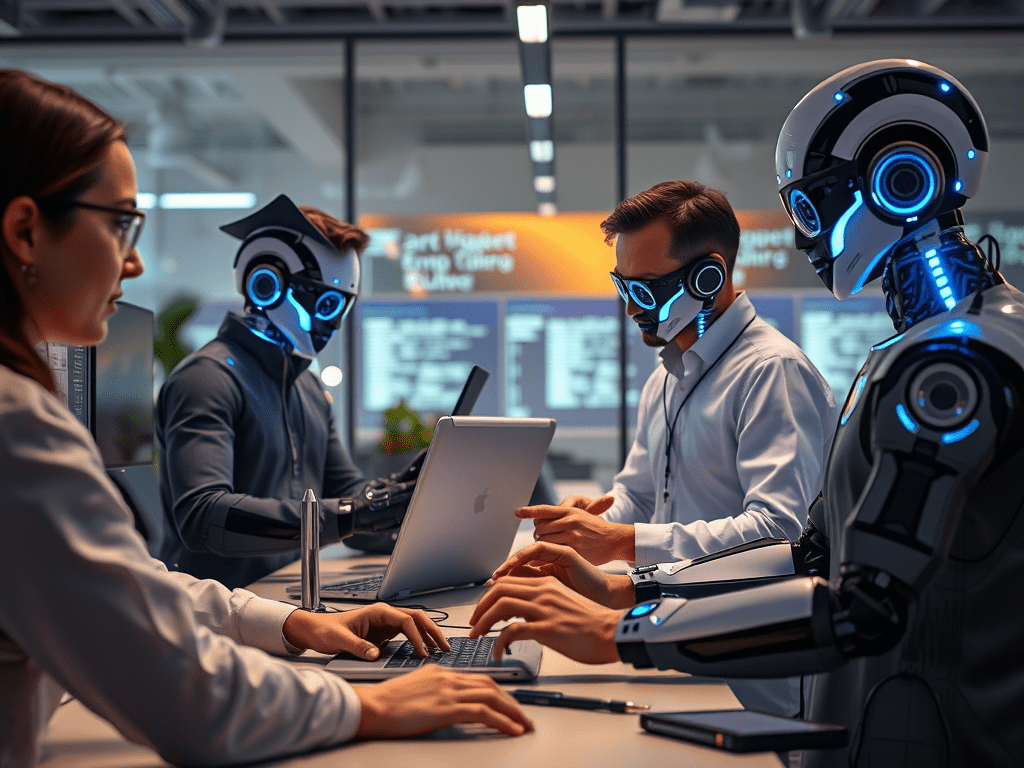
In today’s rapidly evolving technological landscape, the interaction between humans and machines has become an integral aspect of our daily lives. Human-Machine Interaction (HMI) refers to the ways in which humans communicate and control machines, ranging from simple interfaces like keyboards and mice to advanced systems like voice assistants and virtual reality environments. The primary goal of HMI is to create seamless and intuitive experiences that enhance efficiency, productivity, and user satisfaction.
With the advent of cutting-edge technologies, the scope of HMI is expanding beyond traditional boundaries. Innovations such as artificial intelligence, machine learning, and the Internet of Things (IoT) are driving the development of more sophisticated interaction models. These advancements are not only transforming consumer electronics but also revolutionizing industries such as healthcare, automotive, and entertainment.
Understanding the various examples of human-machine interaction can provide valuable insights into how these technologies are shaping our world. From smart home devices that respond to voice commands to immersive virtual reality gaming experiences, HMI is at the forefront of technological progress. As we delve deeper into this topic, we’ll explore some of the most notable examples and their implications for the future.
Stay ahead of the curve by following our in-depth articles and videos on the latest trends in software engineering and technology. Check out our blog for more insights!
Voice Assistants in Everyday Life
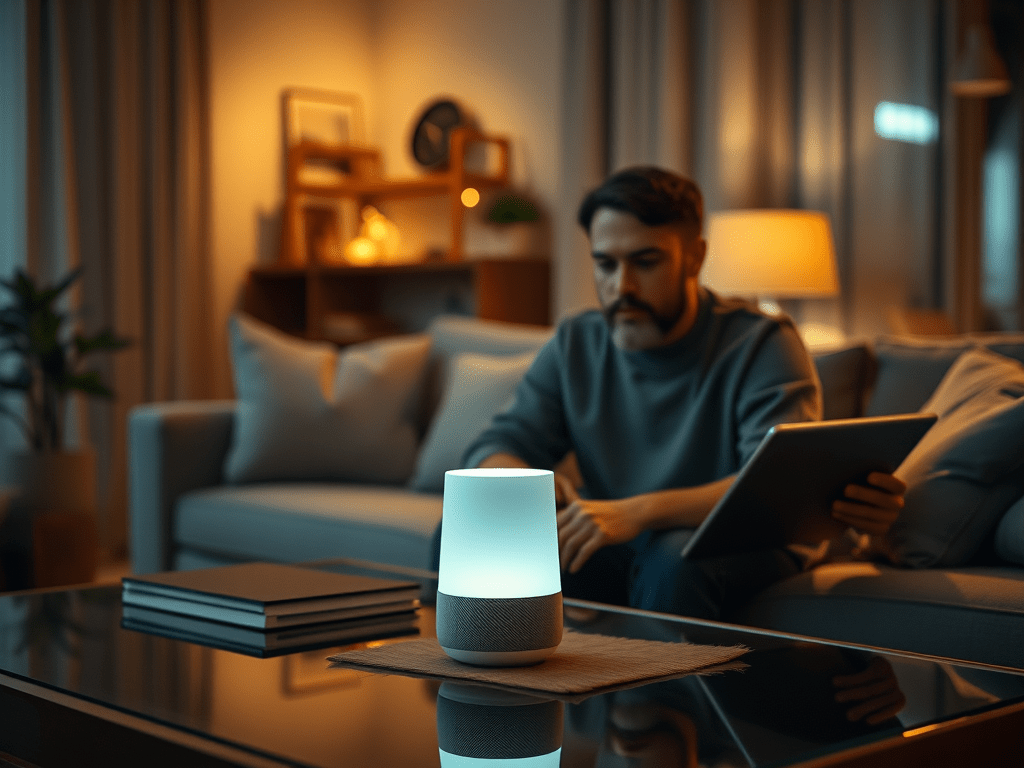
Voice assistants have become ubiquitous in modern households, significantly enhancing the way we interact with technology. Devices like Amazon’s Alexa, Apple’s Siri, and Google’s Assistant leverage advanced natural language processing (NLP) and machine learning to understand and respond to user commands. This form of human-machine interaction exemplifies how technology can be integrated into daily routines to provide convenience and efficiency.
One of the primary benefits of voice assistants is their ability to perform tasks hands-free. Users can ask their voice assistant to set reminders, play music, control smart home devices, provide weather updates, and even make online purchases. This level of integration not only saves time but also makes technology accessible to a broader audience, including individuals with disabilities.
The technology behind voice assistants continues to evolve, with improvements in contextual understanding and personalized responses. For instance, voice assistants can now recognize different voices in a household and tailor their responses accordingly. This personalization enhances the user experience by making interactions more relevant and intuitive.
Moreover, the growing ecosystem of third-party skills and integrations allows voice assistants to serve a wide range of functions, from managing calendars and sending messages to providing cooking recipes and fitness tips. As these technologies continue to develop, the potential applications are virtually limitless, further embedding voice assistants into the fabric of everyday life.
Gesture Control Technologies
Gesture control technologies are revolutionizing the way we interact with machines, providing a more intuitive and natural user experience. These technologies use sensors and cameras to detect and interpret human gestures, allowing users to control devices with simple hand movements. This form of human-machine interaction is particularly impactful in environments where touch-based controls are impractical or unhygienic.
One of the prominent applications of gesture control is in the realm of virtual and augmented reality. Devices like the Microsoft HoloLens and Oculus Rift use hand gestures to navigate digital environments, manipulate virtual objects, and interact with applications. This immersive experience makes it easier for users to engage with complex systems without the need for traditional input devices like keyboards or mice.
In the automotive industry, gesture control is being integrated into advanced driver-assistance systems (ADAS). For example, BMW’s Gesture Control technology allows drivers to adjust the volume, answer calls, and navigate the infotainment system with simple hand movements. This enhances safety by reducing the need for drivers to take their eyes off the road.
Healthcare is another sector benefiting from gesture control technologies. Surgeons can use gesture-based systems to navigate medical imaging and patient records during procedures, thereby maintaining sterility and improving operational efficiency. Additionally, rehabilitation programs are utilizing gesture control to create interactive and engaging exercises for patients.
As sensor accuracy and gesture recognition algorithms continue to improve, the applications for gesture control technologies will expand. From gaming and entertainment to industrial automation and beyond, gesture control is set to become a cornerstone of future human-machine interaction.
Virtual Reality and Augmented Reality
Virtual Reality (VR) and Augmented Reality (AR) are two of the most transformative technologies in human-machine interaction, offering immersive experiences that blend the physical and digital worlds. VR creates a completely digital environment that users can interact with, while AR overlays digital content onto the real world, enhancing the user’s perception of their surroundings.
In the gaming industry, VR has set new standards for immersion and engagement. Devices like the Oculus Rift, HTC Vive, and PlayStation VR transport players into fully interactive 3D environments, allowing them to experience games from a first-person perspective. These platforms utilize motion tracking and hand controllers to create a seamless and intuitive interaction model.
AR, on the other hand, has found significant applications in fields like education, healthcare, and retail. Educational institutions are using AR to create interactive learning modules that bring subjects like history and science to life. For instance, students can explore ancient civilizations or dissect virtual organisms, making learning more engaging and effective.
In healthcare, AR is being used for medical training and diagnostics. Surgeons can visualize complex anatomical structures in 3D during procedures, improving accuracy and outcomes. Similarly, AR-based medical applications help in vein detection, reducing the discomfort and complications associated with injections.
Retailers are leveraging AR to enhance the shopping experience. Customers can use AR apps to visualize how furniture will look in their homes or see how clothes will fit without trying them on. This not only improves customer satisfaction but also reduces return rates.
As VR and AR technologies continue to evolve, their impact on human-machine interaction will only grow. The potential for these technologies to transform industries and create new user experiences is immense, making them a key area of focus for future innovation.
Wearable Technology and Smart Devices
Wearable technology and smart devices are revolutionizing the way we interact with machines by providing seamless integration into our daily lives. These devices, ranging from smartwatches to fitness trackers and smart glasses, offer a personalized and intuitive user experience, making technology more accessible and functional.
**Smartwatches**, such as the Apple Watch and Samsung Galaxy Watch, serve as extensions of our smartphones, allowing users to receive notifications, track health metrics, and even make phone calls directly from their wrists. These devices use a combination of touchscreens, voice commands, and gesture controls to provide an *efficient* and user-friendly interface.
**Fitness trackers** like Fitbit and Garmin have become essential tools for health-conscious individuals. These devices monitor a variety of health metrics, including heart rate, sleep patterns, and activity levels. By providing real-time feedback and personalized recommendations, fitness trackers help users achieve their health and fitness goals more effectively.
**Smart glasses**, such as Google Glass and Microsoft HoloLens, represent the next frontier in human-machine interaction. These devices overlay digital information onto the user’s field of vision, enabling hands-free access to data and applications. In professional settings, smart glasses are being used for tasks ranging from remote assistance in technical repairs to augmented reality training modules.
Moreover, wearable technology is making significant strides in the healthcare industry. Wearable ECG monitors and glucose sensors provide continuous health monitoring, enabling early detection of medical conditions and reducing the need for frequent doctor visits. These devices can send data directly to healthcare providers, facilitating more proactive and personalized care.
As wearable technology and smart devices continue to evolve, they are expected to become even more integrated into our daily lives, offering enhanced functionality and more seamless human-machine interaction. The ongoing advancements in this field promise to bring about *significant* improvements in convenience, health monitoring, and overall user experience.
Future Trends in Human Machine Interaction
As technology continues to advance at a rapid pace, the future of human-machine interaction (HMI) is poised to undergo transformative changes. Emerging trends are set to redefine how we interact with machines, making these interactions more intuitive, immersive, and personalized.
One of the most exciting future trends is the growth of **Artificial Intelligence (AI)** and **Machine Learning (ML)** in HMI. These technologies enable machines to learn from user behavior and adapt their responses accordingly. This results in more natural and efficient interactions, as seen in advanced voice assistants like Amazon Alexa and Google Assistant. Over time, AI and ML are expected to enable machines to anticipate user needs and provide proactive assistance.
Another significant trend is the development of **Brain-Computer Interfaces (BCIs)**. BCIs enable direct communication between the brain and machines, bypassing traditional input methods. This technology has the potential to revolutionize various fields, from medical rehabilitation to gaming. Imagine controlling a computer or prosthetic limb using only your thoughts—BCIs are making this a reality.
**Augmented Reality (AR)** and **Virtual Reality (VR)** are also set to play a crucial role in the future of HMI. AR and VR technologies create immersive environments that enhance user experiences in gaming, education, and professional training. For instance, AR can overlay digital information onto the real world, providing real-time assistance during complex tasks, while VR can simulate real-world scenarios for training purposes.
The integration of **wearable technology** with AI and IoT (Internet of Things) is another trend to watch. Future wearables will not only track health metrics but also provide personalized health recommendations based on AI-driven analysis. These devices will communicate seamlessly with other smart devices, creating a cohesive and interconnected ecosystem.
Lastly, the emphasis on **user-centric design** will continue to grow. Future HMI systems will focus on enhancing user experience by prioritizing accessibility, usability, and personalization. This approach ensures that technology caters to the diverse needs of users, making it more inclusive and effective.
As we look ahead, it is clear that the future of human-machine interaction holds immense potential. By staying informed about these emerging trends, you can stay ahead of the curve and leverage these advancements to enhance your personal and professional life. For more insights into the latest software engineering technology and leadership trends, follow our videos at https://youtube.com/@atozofsoftwareengineering.














Leave a comment