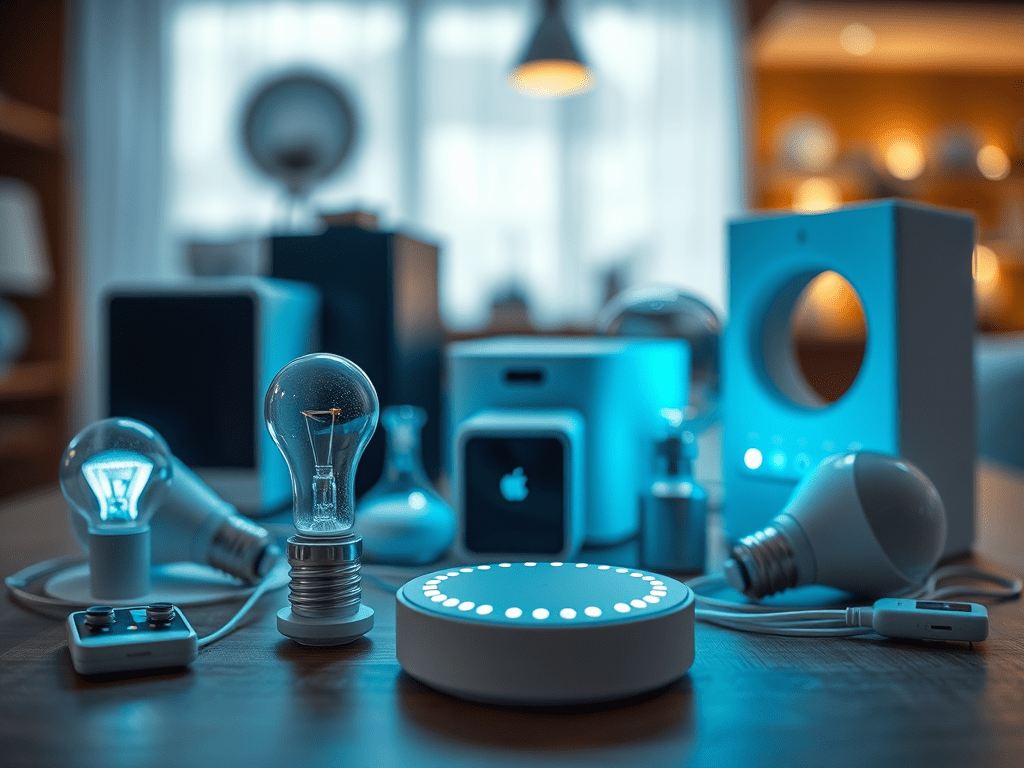
The advent of the Internet of Things (IoT) has heralded a transformative era in software engineering, as it seamlessly integrates physical devices with digital systems, creating an interconnected ecosystem. This evolution is not just a technological trend but a groundbreaking shift that is redefining how software engineers design, develop, and deploy applications. With billions of connected devices expected in the coming years, the landscape of software engineering is being reshaped to accommodate the complexity and scale of IoT solutions.
IoT in software engineering involves the creation of applications that can communicate with a myriad of devices ranging from smart home appliances to industrial machinery. These applications must manage vast amounts of data, ensuring its security and integrity while providing real-time analytics. The challenge lies in developing robust software that can operate across diverse platforms and environments, requiring a deep understanding of both hardware and software paradigms.
As IoT continues to grow, it offers software engineers an opportunity to innovate and push the boundaries of traditional software design. This dynamic field demands new skills and approaches, fostering a culture of continuous learning and adaptation. It’s an exciting time to be in software engineering, as IoT promises to unlock unparalleled possibilities in automation, efficiency, and user experience.
Join us on this journey of discovery and transformation by exploring more about the impact of IoT in software engineering. Don’t miss out on the latest insights and updates – check out our blog and subscribe to our Youtube channel at https://youtube.com/@atozofsoftwareengineering to stay ahead in the tech world.
Impact of IoT on Software Development
The influence of the Internet of Things (IoT) on software development is profound, leading to significant changes in how software is conceptualized and built. One of the most notable impacts is the shift towards a more data-centric development approach. IoT generates an enormous amount of data from various connected devices, necessitating new ways to process, analyze, and store this information efficiently. This data-centric focus has driven developers to prioritize scalability and data security in their software design.
Moreover, IoT has fostered the development of more interoperable and flexible software solutions. With countless devices and platforms needing to communicate seamlessly, developers are crafting applications that can integrate with multiple systems, ensuring compatibility and communication across diverse technologies. This requires a strong emphasis on APIs and middleware solutions that facilitate smooth interactions between different devices and applications.
Additionally, the rise of IoT has accelerated the adoption of agile methodologies in software development. Due to the fast-paced evolution of IoT technology, development teams must be able to adapt quickly to changes and iterate on their products in shorter cycles. Agile practices such as continuous integration and delivery have become essential to meet the demands of IoT projects, allowing teams to respond promptly to market changes and user needs.
Developers are also increasingly focused on creating user-centric applications that provide intuitive and meaningful interactions with IoT devices. The aim is to enhance the user experience by ensuring that the software translates complex IoT functionalities into simple, user-friendly interfaces.
IoT Enhancing Software Testing Processes
The advent of the Internet of Things (IoT) is revolutionizing software testing processes by introducing new paradigms and challenges. One of the major enhancements is the ability to conduct real-time testing and monitoring. IoT devices continuously generate data that can be analyzed in real-time, allowing testers to identify and resolve issues as they occur. This capability significantly reduces the time taken to detect defects and increases the efficiency of the testing process.
Furthermore, IoT has led to the development of more sophisticated test environments. With the diversity of IoT devices, testers must simulate complex scenarios that encompass various devices, networks, and protocols. This has resulted in the creation of virtual testing environments, where testers can mimic real-world conditions and interactions between devices. Such environments are crucial for ensuring that IoT systems function correctly under different circumstances.
Another critical aspect is the need for security testing. As IoT devices often handle sensitive data, ensuring their security is paramount. Software testers are now placing greater emphasis on identifying vulnerabilities and ensuring robust security measures are in place. This includes testing for data breaches, unauthorized access, and other potential security threats.
Moreover, the integration of AI and machine learning with IoT in testing processes is gaining momentum. These technologies help automate repetitive testing tasks and analyze large datasets more efficiently, providing insights that manual testing might overlook. This integration not only enhances the accuracy of tests but also allows testers to focus on more complex, value-added testing activities.
Challenges in IoT Software Engineering
While the Internet of Things (IoT) is transforming software engineering, it also introduces a set of unique challenges that professionals must navigate. A primary concern is the interoperability of diverse devices and systems. IoT ecosystems comprise various devices from different manufacturers, each with its protocols and standards. Ensuring these devices can seamlessly communicate and work together poses significant engineering hurdles.
Another pressing challenge is the issue of data management. IoT devices generate massive volumes of data continuously, which can overwhelm traditional data storage and processing systems. Engineers must devise efficient data management strategies to store, process, and analyze this data effectively while ensuring that it remains accessible and secure.
Security is a critical concern in IoT software engineering. As IoT devices often collect sensitive personal and business information, they are prime targets for cyberattacks. Engineers must implement robust security measures to protect data and ensure the integrity of IoT systems. This includes securing communication channels, encrypting data, and regularly updating software to patch vulnerabilities.
Moreover, the constraint of limited resources in IoT devices, such as processing power and battery life, complicates software development. Engineers need to optimize software to operate efficiently within these constraints while maintaining functionality and performance. Balancing these factors requires innovative solutions and careful design considerations.
Finally, the rapid evolution of technology means that IoT software engineers must continuously update their skills and knowledge. Staying abreast of new developments, standards, and best practices is essential for addressing the ever-changing landscape of IoT and delivering reliable and effective solutions.
Future Trends in IoT and Software Engineering
The future of Internet of Things (IoT) in software engineering is poised for remarkable advancements, with several key trends set to reshape the landscape. One significant trend is the integration of Artificial Intelligence (AI) and Machine Learning (ML) with IoT applications. These technologies enable devices to analyze data, make predictions, and automate decision-making processes, enhancing the functionality and efficiency of IoT systems.
Another trend is the rise of edge computing. As IoT devices proliferate, there is a growing need to process data closer to its source to reduce latency and bandwidth usage. Edge computing addresses this by allowing data processing to occur on local devices or nearby servers, thus improving response times and enabling real-time analytics.
Moreover, the advent of 5G technology promises to revolutionize IoT by providing faster and more reliable connectivity. With increased data transfer speeds and lower latency, 5G networks will support a larger number of devices in IoT ecosystems, paving the way for new applications and services that were previously unattainable.
Another emerging trend is the emphasis on security and privacy. As IoT networks expand, ensuring the protection of sensitive data is paramount. Future IoT solutions will increasingly incorporate advanced encryption methods, secure authentication protocols, and privacy-preserving technologies to safeguard user information.
Lastly, the concept of interoperability will continue to gain traction. The development of universal standards and protocols will facilitate the seamless integration of diverse IoT devices and services, fostering a more connected and cohesive ecosystem. As these trends unfold, they will undoubtedly drive innovation and transform the way software engineers approach IoT development.
Conclusion of IoT Revolution in Software
The revolution of the Internet of Things (IoT) in software engineering marks an era where connectivity and data-driven insights are paramount. IoT has fundamentally altered the way software solutions are designed, developed, and deployed, fostering a more integrated and responsive technological environment. By enabling devices to communicate and collaborate, IoT has unlocked new possibilities in automation, efficiency, and intelligent decision-making.
The impact of IoT on software engineering is evident in the accelerated pace of innovation and the emergence of smarter applications that cater to evolving user needs. With advancements in areas like edge computing and AI integration, software engineers are equipped with powerful tools to create solutions that are not only efficient but also adaptive to dynamic environments.
However, as we embrace this IoT-driven transformation, it is crucial to address challenges related to security, privacy, and interoperability. Ensuring robust security measures and establishing common standards will be vital to sustaining the growth and reliability of IoT ecosystems.
As the IoT revolution continues to unfold, it presents a unique opportunity for software engineers to innovate and redefine the boundaries of technology. By staying informed and adopting cutting-edge practices, professionals in the field can contribute to shaping a future where IoT is seamlessly integrated into everyday life.
We invite you to stay updated with the latest insights and developments in the world of software engineering and IoT. Visit our blog for more articles, or subscribe to our YouTube channel for engaging content and expert discussions. Together, let’s explore the endless possibilities of the IoT revolution.














Leave a comment