

As the landscape of software engineering evolves at a breakneck pace, the significance of project management for software engineering becomes increasingly pivotal. In today’s competitive tech industry, effective project management serves not only as a backbone for successful project delivery but also as a catalyst for fostering innovation and efficiency. Whether you are an aspiring project manager or a seasoned professional, understanding the nuances of project management is crucial for navigating the complexities of software development projects.
Project management in software engineering involves a well-orchestrated blend of planning, executing, monitoring, and closing tasks that meet the project’s goals and objectives within the specified timeframe. It integrates various disciplines, ensuring that each component of the project aligns with the overall strategy and vision. The process is inherently iterative, requiring continuous assessment and adaptation to cater to the dynamic requirements and challenges of the tech industry.
Incorporating project management practices into software engineering projects can lead to enhanced communication, streamlined processes, and improved resource management. It enables teams to anticipate risks, allocate resources more effectively, and maintain a balance between quality, scope, and time constraints. As a result, organizations can achieve higher levels of productivity and customer satisfaction.
Embark on your journey to mastering project management by exploring the essential strategies and methodologies that can transform your approach to software engineering. For more insights and expert tips, visit our blog or subscribe to our YouTube channel at [https://youtube.com/@atozofsoftwareengineering](https://youtube.com/@atozofsoftwareengineering). Let’s dive deep into the world of project management and unveil the secrets to successful project delivery.
Key Principles in Software Engineering
Understanding the **key principles in software engineering** is fundamental to mastering project management in this field. These principles serve as the foundation upon which successful software projects are built, guiding the development process from conception to deployment. Adhering to these principles ensures that software is reliable, maintainable, and scalable.
One of the core principles is **modularity**, which involves breaking down a software system into smaller, manageable components or modules. This approach not only simplifies the development process but also enhances the system’s maintainability and scalability. Modularity enables developers to work on different parts of the software simultaneously, reducing the time to market and allowing for incremental updates.
Another crucial principle is **abstraction**, which focuses on reducing complexity by hiding the unnecessary details and exposing only the essential aspects of a system. Abstraction allows developers to concentrate on high-level functionalities without getting bogged down by intricate details, facilitating clearer communication and better decision-making.
**Encapsulation** and **information hiding** are also pivotal in software engineering. These principles ensure that a component’s internal workings are hidden from the outside, exposing only what is necessary for other parts of the software to interact with it. This not only protects the integrity of the system but also simplifies interactions between different modules.
The principles of **software reuse** and **maintainability** advocate for designing software with future use in mind. By building software components that can be reused in different projects, companies can save time and resources while ensuring consistency across their products. Maintainability, on the other hand, emphasizes creating software that can be easily modified and improved over time, accommodating future changes and technological advancements.
Effective Tools for Project Management
In today’s fast-paced world of software engineering, utilizing **effective tools for project management** is crucial to ensure the success and efficiency of projects. These tools are designed to facilitate collaboration, streamline workflows, and provide real-time insights into project progress and potential bottlenecks.
Among the most popular project management tools is **Jira**, which is widely used for agile project management and tracking. It offers comprehensive features for issue tracking, backlog prioritization, and sprint planning, making it an ideal choice for software development teams following Agile methodologies. With its customizable dashboards and robust reporting capabilities, Jira empowers teams to maintain transparency and accountability.
Another essential tool is **Trello**, known for its intuitive and visual approach to task management. Trello uses boards, lists, and cards to help teams organize and prioritize tasks in a flexible manner. Its simplicity and ease of use make it an excellent choice for smaller teams or those new to digital project management tools. Trello’s ability to integrate with other tools further enhances its functionality, ensuring seamless workflows.
**Asana** is another powerful tool that offers a wide array of features for project planning, tracking, and collaboration. It allows teams to create detailed project plans with timelines, dependencies, and milestones. Asana’s user-friendly interface and comprehensive task management capabilities make it suitable for teams of all sizes looking to improve their productivity and project outcomes.
For teams prioritizing communication, **Slack** is an indispensable tool. While primarily a messaging platform, Slack integrates with various project management tools, allowing for effortless updates and discussions. Its channels and threads enable organized communication, reducing email clutter and fostering a more collaborative environment.
Incorporating these tools into your project management strategy can significantly enhance your team’s efficiency and effectiveness. By selecting the right tools for your specific needs, you can create a more streamlined and productive workflow, ultimately delivering successful software projects on time and within budget.
Challenges in Software Project Management
**Software project management** is fraught with challenges that can hinder the successful delivery of projects. Understanding these challenges is essential for project managers looking to mitigate risks and improve outcomes.
One major challenge is **scope creep**, which occurs when the project’s scope expands beyond its original objectives. This often results from inadequate initial planning or uncontrolled changes and can lead to increased costs and delayed timelines. Effective scope management and clear communication with stakeholders are critical in preventing scope creep.
**Resource allocation** is another common issue, where the availability of skilled personnel and other resources is limited. This can lead to bottlenecks and delays, compromising project quality. Project managers must be adept at forecasting resource needs and adjusting plans to ensure optimal resource utilization.
**Time management** also poses a significant hurdle. With software development projects often operating under tight deadlines, managing time effectively is crucial. Project managers must be skilled in scheduling and task prioritization to keep the project on track and meet delivery dates.
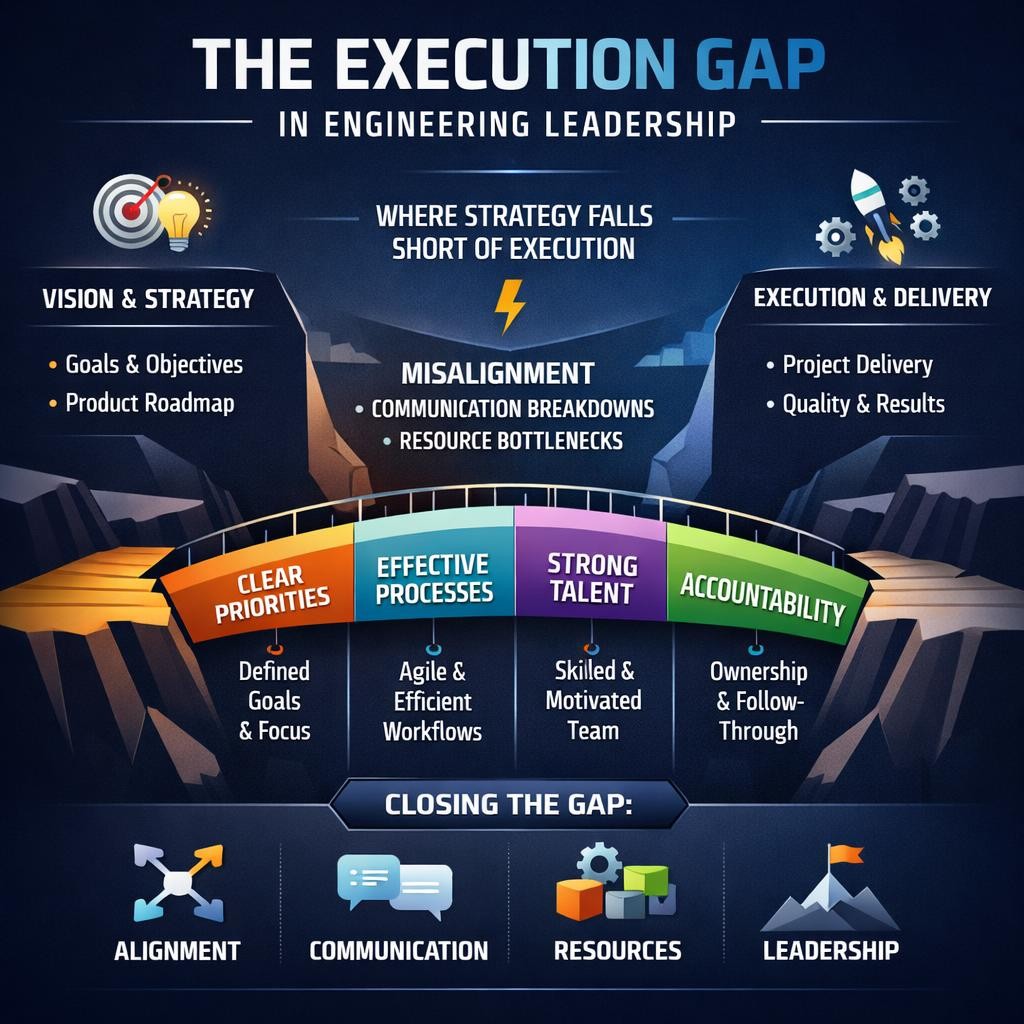
Communication breakdowns can severely impact project progress. **Effective communication** among team members and stakeholders is vital to ensure everyone is aligned with the project goals and aware of any changes or updates. Utilizing collaborative tools and regular meetings can help maintain clear and consistent communication.
Lastly, **risk management** is an ongoing challenge. Identifying potential risks early and developing mitigation strategies is essential to prevent them from derailing the project. Project managers should conduct regular risk assessments and be prepared to adapt their plans as needed to address unforeseen issues.
By recognizing and addressing these challenges, project managers can improve their chances of delivering successful software projects. Implementing robust processes and fostering an adaptable team culture are key strategies to overcoming these obstacles.
Best Practices for Successful Projects
Achieving success in software projects requires adhering to a set of **best practices** that ensure efficiency and quality throughout the project lifecycle. These practices are essential in navigating the complexities of software development and delivering results that meet or exceed expectations.
First and foremost, **clear goal setting** is crucial. Defining specific, measurable, achievable, relevant, and time-bound (SMART) objectives provides a roadmap that guides the project team and keeps the focus on desired outcomes. Regularly revisiting these goals helps maintain alignment and adjust course as necessary.
**Agile methodologies** have become a staple in successful software projects. By promoting iterative development and continuous feedback, Agile allows teams to adapt to changes quickly and deliver incremental value. Utilizing frameworks like Scrum or Kanban can enhance flexibility and improve team collaboration.
Implementing a robust **risk management plan** is another best practice. Identifying potential risks early on and outlining strategies to mitigate them can prevent disruptions and ensure a smoother project flow. Regular risk assessments help in anticipating challenges and preparing contingency plans.
**Effective communication** is vital for project success. Keeping all stakeholders informed and engaged through regular updates and transparent reporting fosters trust and facilitates problem-solving. Leveraging collaborative tools and establishing open communication channels can enhance team cohesion and productivity.
Finally, investing in **continuous learning and improvement** is key. Encouraging team members to engage in professional development and retrospective analysis helps in refining processes and adopting innovative approaches. This commitment to growth not only elevates project outcomes but also enhances team morale and capability.
By incorporating these best practices, project managers can significantly improve their chances of delivering successful software projects. A proactive, adaptable approach paired with a strong foundation in these principles is essential for navigating the ever-evolving landscape of software engineering.
Future Trends in Project Management
The landscape of **project management for software engineering** is continuously evolving, driven by advancements in technology and shifting industry demands. Understanding these future trends is essential for project managers aiming to stay ahead of the curve and deliver impactful projects.
One significant trend is the increasing adoption of **artificial intelligence (AI)** and machine learning in project management tools. These technologies enhance data analytics capabilities, enabling project managers to make informed decisions, predict project outcomes, and automate routine tasks. AI can optimize resource allocation and streamline project workflows, improving efficiency and accuracy.
**Remote work and collaboration tools** are also shaping the future of project management. As more teams operate in a distributed environment, leveraging platforms that facilitate seamless communication and collaboration becomes crucial. Tools that support virtual reality (VR) and augmented reality (AR) are gaining traction, offering immersive project visualization and team interaction experiences.
**Sustainability and ethical practices** are increasingly influencing project management strategies. As organizations prioritize environmental responsibility and ethical standards, project managers must integrate sustainable practices into their planning and execution phases. This includes adopting green technologies and ensuring ethical labor practices throughout the project lifecycle.
Moreover, the focus on **agile and hybrid methodologies** continues to grow. As businesses seek flexibility and resilience in their operations, combining agile frameworks with traditional project management approaches allows for tailored solutions that meet unique project needs. This hybrid approach enables better risk management and adapts to changing project environments.
As we look to the future, staying updated with these trends will be pivotal for project managers seeking to enhance their skills and deliver successful outcomes. Embracing innovation and adaptability will ensure relevance in the dynamic world of software engineering.
For more insights on how to navigate these emerging trends, don’t miss out on our comprehensive resources. **Subscribe to our Youtube channel at atozofsoftwareengineering** and stay informed on the latest in tech and leadership.



















Leave a comment