
In the dynamic realm of technology, the ability to identify gaps in current processes and continually improve them is crucial for IT leaders. These gaps, often hidden within operational frameworks, hinder productivity, hinder innovation, and impede the overall growth of organizations. However, with a strategic and systematic approach, IT leaders can uncover these gaps and drive meaningful improvements that enhance efficiency, agility, and customer satisfaction. In this blog, we will delve into the process of identifying gaps in current processes and explore effective strategies for their continual improvement.
Understanding the Importance of Process Improvement
Before delving into the specifics, it is essential to emphasize the significance of process improvement for IT leaders. Continuous improvement fosters innovation, optimizes resources, reduces operational inefficiencies, and boosts overall organizational performance. By identifying and addressing process gaps, IT leaders can facilitate seamless operations, mitigate risks, and align their teams towards achieving strategic goals.
Assessing the Current State
The first step in finding process gaps is to conduct a comprehensive assessment of the existing processes. This assessment should encompass both qualitative and quantitative analyses. Qualitative data may include interviews, focus groups, and surveys to gather insights from key stakeholders. On the other hand, quantitative data can be obtained by evaluating performance metrics, cycle times, error rates, and customer feedback. By analyzing this data, IT leaders can pinpoint areas that require improvement and prioritize their efforts effectively.
Identifying Process Gaps
Once the assessment is complete, IT leaders can begin to identify the gaps in the current processes. Here are some key areas to focus on:
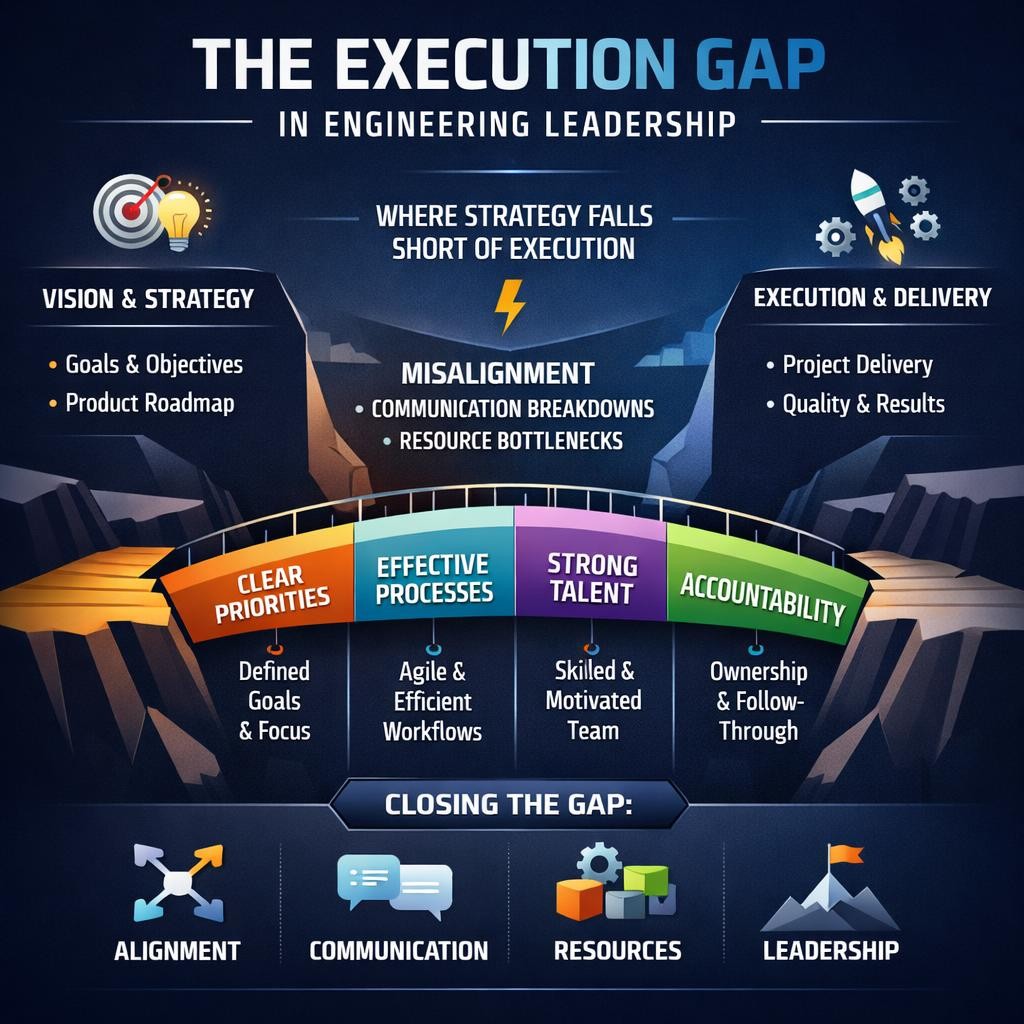
- Communication and Collaboration: Assess the effectiveness of communication and collaboration channels within the IT department and with other stakeholders. Identify any gaps that hinder the seamless exchange of information, knowledge sharing, or decision-making. Implementing collaborative tools and fostering a culture of open communication can bridge these gaps and facilitate better teamwork.
- Bottlenecks and Delays: Look for bottlenecks or delays that hinder the smooth flow of work. These can include manual handoffs, redundant approvals, or outdated technologies. By streamlining and automating these processes, IT leaders can eliminate unnecessary bottlenecks and enhance efficiency.
- Resource Allocation: Evaluate how resources such as budget, time, and personnel are allocated across different projects and tasks. Identify any imbalances, such as overutilization or underutilization, and realign resources accordingly. This ensures optimal resource allocation and prevents inefficiencies or burnout.
- Technology Infrastructure: Examine the existing technology infrastructure and assess its alignment with business needs. Identify any gaps in terms of outdated systems, security vulnerabilities, or technology limitations. Upgrading infrastructure, adopting emerging technologies, and ensuring robust cybersecurity measures will help bridge these gaps.
- Feedback Loops: Analyze the feedback mechanisms in place, both internally and externally. Identify any gaps in gathering and acting upon feedback from customers, employees, and other stakeholders. Implementing regular feedback loops and utilizing feedback to drive process improvements is vital for long-term success.
Prioritizing and Planning Improvements
After identifying the process gaps, IT leaders need to prioritize and plan improvements effectively. Prioritization should be based on the potential impact on organizational goals, feasibility, and available resources. Break down the improvements into manageable phases, ensuring they align with the overall strategic direction of the organization. Consider leveraging methodologies such as Agile or Lean Six Sigma to guide the improvement initiatives.
Implementing and Monitoring Improvements
The implementation of process improvements requires careful planning, effective change management, and clear communication. Collaborate with key stakeholders and project teams to implement the identified improvements. Monitor and measure the impact of these changes using appropriate metrics and key performance indicators (KPIs).
Continually Assessing and Adjusting
Process improvement is not a one-time effort; it is an ongoing journey. To continually improve processes, IT leaders should establish a culture of continuous assessment and adjustment. Here are some strategies to facilitate this:
- Performance Monitoring: Continuously monitor the performance of the improved processes using relevant metrics and KPIs. This enables IT leaders to gauge the effectiveness of the changes and identify any emerging gaps or opportunities for further improvement.
- Feedback and Evaluation: Encourage feedback from stakeholders, including employees, customers, and partners, to gather insights on the impact of the process improvements. Regularly evaluate the feedback received and incorporate it into future adjustments. This iterative feedback loop helps ensure that processes remain aligned with evolving needs.
- Continuous Learning: Promote a learning mindset within the organization by encouraging knowledge sharing and staying updated with industry trends and best practices. IT leaders should foster an environment that values experimentation, innovation, and continuous learning, allowing for the discovery of new ways to improve processes.
- Agile Methodologies: Adopting Agile methodologies, such as Scrum or Kanban, can facilitate continuous improvement. These methodologies emphasize iterative development, frequent feedback, and flexibility in responding to change. By leveraging Agile principles, IT leaders can foster a culture of adaptability and responsiveness to address gaps as they arise.
- Technology and Automation: Embrace emerging technologies and automation tools to optimize processes continually. Intelligent automation, robotic process automation (RPA), and artificial intelligence (AI) can streamline routine tasks, reduce errors, and free up resources for more strategic initiatives. Regularly evaluate the technological landscape and leverage advancements to bridge process gaps.
- Collaboration and Knowledge Sharing: Encourage collaboration and cross-functional engagement among teams to facilitate a holistic approach to process improvement. Foster platforms for sharing best practices, lessons learned, and success stories. This collaboration allows teams to learn from each other and identify potential gaps across different processes.
- Continuous Improvement Frameworks: Consider implementing established frameworks like Lean Six Sigma or the Plan-Do-Check-Act (PDCA) cycle to guide the continuous improvement journey. These frameworks provide structured methodologies for identifying, analyzing, and addressing process gaps, ensuring a systematic approach to improvement.
In conclusion, continually finding gaps in current processes and improving them is vital for IT leaders to drive efficiency, innovation, and organizational growth. By conducting thorough assessments, identifying gaps, prioritizing improvements, and establishing a culture of continuous improvement, IT leaders can foster a proactive approach to enhance processes over time. With a commitment to ongoing assessment, adjustment, and learning, organizations can optimize their operations and stay ahead in today’s fast-paced technological landscape.
Please do not forget to subscribe to our posts at www.AToZOfSoftwareEngineering.blog.
Listen & follow our podcasts available on Spotify and other popular platforms.
Have a great reading and listening experience!


















Leave a comment