


IT organizations have become increasingly complex and critical to the success of businesses in today’s technology-driven world. To ensure the effective management of IT departments, two key roles are necessary: IT managers and project managers.
IT managers are responsible for the day-to-day management of an IT department, including managing personnel, budgets, and technology infrastructure. They take a long-term perspective and focus on the overall strategy and direction of the organization’s technology operations. They play a critical role in ensuring that the organization’s technology resources are aligned with the business goals and objectives.
On the other hand, project managers are responsible for the successful completion of individual projects within the IT department. They focus on specific project deliverables and timelines and are responsible for ensuring that the project is completed on time, within budget, and to the satisfaction of stakeholders. They play a critical role in ensuring that IT projects are delivered efficiently and effectively, helping to achieve the organization’s goals and objectives.
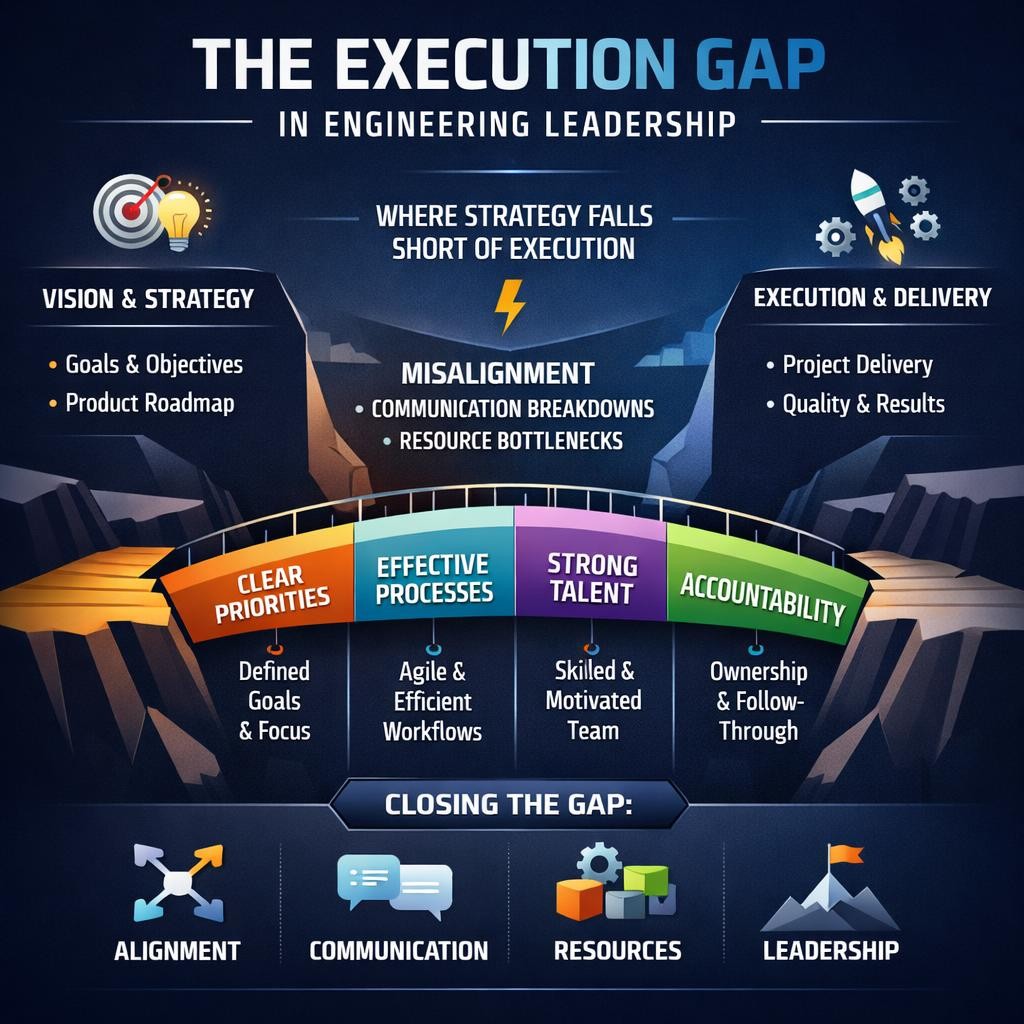
Both IT managers and project managers are essential for the success of an IT organization, and there is a need for both roles to exist. While there may be some overlap in their responsibilities, they serve distinct functions within the organization. IT managers are responsible for the big picture, while project managers are focused on the details of individual projects. Working together, they can ensure that the IT department operates efficiently, effectively, and in alignment with the overall goals and objectives of the business.
Key Responsibilities
IT Managers
IT Managers are responsible for managing the technology infrastructure, personnel, and budgets of the IT department. They are concerned with the long-term strategy and direction of the organization’s technology operations, and they must ensure that the department is running efficiently and effectively. Some of the key responsibilities of IT managers include:
- Strategic Planning: IT managers are responsible for developing and implementing IT policies and procedures that align with the organization’s overall goals and objectives. They must understand the organization’s needs and goals and work to develop a long-term strategy for the technology operations that can support those goals.
- Resource Management: IT managers are responsible for managing personnel, including hiring, training, and performance management. They must ensure that the IT department has the right people with the necessary skills and knowledge to deliver on the organization’s technology objectives.
- Technology Infrastructure Management: IT managers are responsible for ensuring that the organization’s technology infrastructure is secure, reliable, and up-to-date. They must manage hardware, software, and networking components, as well as develop and maintain disaster recovery and business continuity plans.
- Budget Management: IT managers must manage budgets and resources to ensure that the IT department operates within its financial constraints. This includes developing budgets, tracking expenses, and finding ways to maximize the value of IT investments.
- Collaboration: IT managers must collaborate with other departments within the organization to ensure that technology is being used effectively to support business operations. They must work with other managers to identify technology needs, develop solutions, and ensure that technology is integrated with business processes.
Project Managers
Project Managers on the other hand, are responsible for overseeing individual projects within the IT department. They are focused on the specific project deliverables and timelines and must ensure that the project is completed on time, within budget, and to the satisfaction of stakeholders. Some of the key responsibilities of project managers include:
- Project Planning: Project managers are responsible for defining project goals, objectives, and scope. They must identify the tasks that need to be completed, estimate the resources required, and create a project plan that outlines timelines and milestones.
- Resource Management: Project managers must assign tasks and responsibilities to team members and ensure that they have the resources they need to complete their work. This includes managing project budgets, scheduling resources, and managing risks.
- Monitoring and Control: Project managers must monitor project progress and make adjustments as necessary to ensure that the project is completed on time and within budget. They must identify and manage project risks, and take corrective action when necessary to keep the project on track.
- Communication: Project managers must communicate project status to stakeholders, including management, team members, and customers. They must provide regular updates on project progress, identify issues and risks, and seek input and feedback from stakeholders.
- Quality Assurance: Project managers are responsible for ensuring that the project meets quality standards and is delivered to the satisfaction of stakeholders. They must ensure that project deliverables meet the agreed-upon specifications and that the project is completed on time and within budget.
Overall, the responsibilities of IT managers and project managers are critical to the success of an IT organization. IT managers are responsible for the overall strategy and direction of the organization’s technology operations, while project managers are responsible for the successful completion of individual projects. Both roles are essential, and effective collaboration between the two is necessary to ensure that the organization’s technology operations are efficient, effective, and aligned with the overall goals and objectives of the business.
Practical Examples
Here are some practical examples that illustrate the need for both IT managers and project managers in an IT organization:
Example 1
A company decides to implement a new enterprise resource planning (ERP) system to streamline its operations. The IT manager will oversee the entire project and ensure that it aligns with the organization’s strategic goals. They will manage the resources required, including personnel and budget. Meanwhile, the project manager will be responsible for the successful delivery of the project. They will define the project scope, establish a timeline, and manage the project team to ensure that the ERP system is implemented on time, within budget, and to the satisfaction of stakeholders.
Example 2
An organization decides to upgrade its network infrastructure to improve security and reliability. The IT manager will oversee the project and ensure that the new infrastructure aligns with the organization’s overall technology strategy. They will manage the resources required for the project, including personnel and budget. Meanwhile, the project manager will be responsible for the successful delivery of the project. They will define the project scope, establish a timeline, and manage the project team to ensure that the new network infrastructure is implemented on time, within budget, and to the satisfaction of stakeholders.
Example 3
A company decides to develop a new software application to improve its customer experience. The IT manager will oversee the project and ensure that it aligns with the organization’s overall technology strategy. They will manage the resources required for the project, including personnel and budget. Meanwhile, the project manager will be responsible for the successful delivery of the project. They will define the project scope, establish a timeline, and manage the project team to ensure that the software application is developed on time, within budget, and to the satisfaction of stakeholders.
In each of these examples, the IT manager and project manager play distinct but complementary roles. The IT manager provides strategic direction and manages the resources required for the project, while the project manager focuses on the details of the project and ensures its successful delivery. Together, they help ensure that the project aligns with the organization’s overall goals and objectives, is delivered on time and within budget, and meets the needs of stakeholders.
Real World Examples
Here are some real-world examples of how IT managers and project managers work together in IT organizations:
Example 1: Microsoft
Microsoft is a global technology company that employs both IT managers and project managers to manage its vast technology infrastructure and projects. IT managers oversee the overall IT strategy for the company and manage the resources required to achieve it. They work closely with project managers who oversee individual projects, ensuring that they are aligned with the company’s strategic objectives. For example, Microsoft’s IT department recently undertook a project to migrate its email and collaboration services to the cloud. The IT manager oversaw the project, ensuring that it aligned with the company’s overall technology strategy, while the project manager was responsible for the successful delivery of the project.
Example 2: NASA
NASA is a government agency that relies heavily on technology to achieve its mission. Its IT organization is responsible for managing the agency’s technology infrastructure and supporting the many projects that it undertakes. IT managers at NASA oversee the overall technology strategy for the agency, while project managers are responsible for managing individual projects, such as the development of new spacecraft or the launch of a mission to Mars. For example, when NASA launched the Mars rover mission, the IT manager oversaw the project, ensuring that it aligned with the agency’s overall technology strategy, while the project manager was responsible for the successful delivery of the project.
Example 3: Amazon
Amazon is a global e-commerce giant that relies heavily on technology to power its operations. Its IT organization is responsible for managing the company’s vast technology infrastructure and supporting its many business units. IT managers at Amazon oversee the overall technology strategy for the company, while project managers are responsible for managing individual projects, such as the development of new features for the company’s website or the implementation of new logistics systems. For example, when Amazon launched its Prime delivery service, the IT manager oversaw the project, ensuring that it aligned with the company’s overall technology strategy, while the project manager was responsible for the successful delivery of the project.
In each of these real-world examples, IT managers and project managers play critical roles in ensuring the successful management of IT organizations. They work together to ensure that projects align with the organization’s strategic objectives, are delivered on time and within budget, and meet the needs of stakeholders.
Useful Tools for IT and Project Managers
Here are some examples of tools that IT managers and project managers might use to manage IT projects and organizations:
- Project management software: There are a variety of project management software tools available that help project managers track project timelines, assign tasks to team members, and monitor project progress. Examples of popular project management software tools include Asana, Trello, and Microsoft Project.
- Agile methodology tools: Agile methodology is a popular project management approach that emphasizes iterative development, collaboration, and flexibility. There are a variety of software tools available to support Agile methodology, such as Jira, which helps teams manage projects using Scrum or Kanban methodologies.
- Cloud-based collaboration tools: As remote work becomes increasingly common, cloud-based collaboration tools have become essential for IT managers and project managers. Examples of cloud-based collaboration tools include Google Drive, Dropbox, and Microsoft Teams, which allow teams to work together on projects and share documents and information securely from anywhere in the world.
- Asset management tools: IT managers are responsible for managing the technology assets of an organization, including hardware and software. Asset management tools help IT managers track inventory, monitor usage, and plan for upgrades and replacements. Examples of asset management tools include SolarWinds, ManageEngine, and Lansweeper.
- Network monitoring tools: IT managers are also responsible for ensuring that an organization’s network is secure and running smoothly. Network monitoring tools help IT managers monitor network traffic, identify potential security threats, and troubleshoot issues. Examples of network monitoring tools include PRTG, Nagios, and Zabbix.
These are just a few examples of the many tools available to IT managers and project managers to manage IT projects and organizations. The specific tools used will depend on the needs of the organization and the nature of the projects being managed. However, having the right tools can help IT managers and project managers be more efficient, effective, and successful in their roles.
Conclusion
In conclusion, IT managers and project managers play critical roles in managing IT projects and organizations. IT managers are responsible for developing and implementing the overall technology strategy for an organization, while project managers are responsible for managing individual projects and ensuring their successful completion.
To be successful in their roles, IT managers and project managers need to have a wide range of skills and expertise, as well as access to the right tools and resources. They need to be able to communicate effectively with stakeholders, manage resources and budgets, and adapt to changing circumstances and priorities. They also need to stay up to date with the latest technology trends and developments.
By working together, IT managers and project managers can ensure that IT projects are aligned with the organization’s strategic objectives, are completed on time and within budget, and meet the needs of stakeholders. They can also help to ensure that an organization’s technology infrastructure is secure, efficient, and effective.
Overall, the roles of IT managers and project managers are challenging and constantly evolving. However, with the right skills, tools, and resources, they can be highly rewarding and make a significant impact on the success of IT organizations.



















Leave a comment