
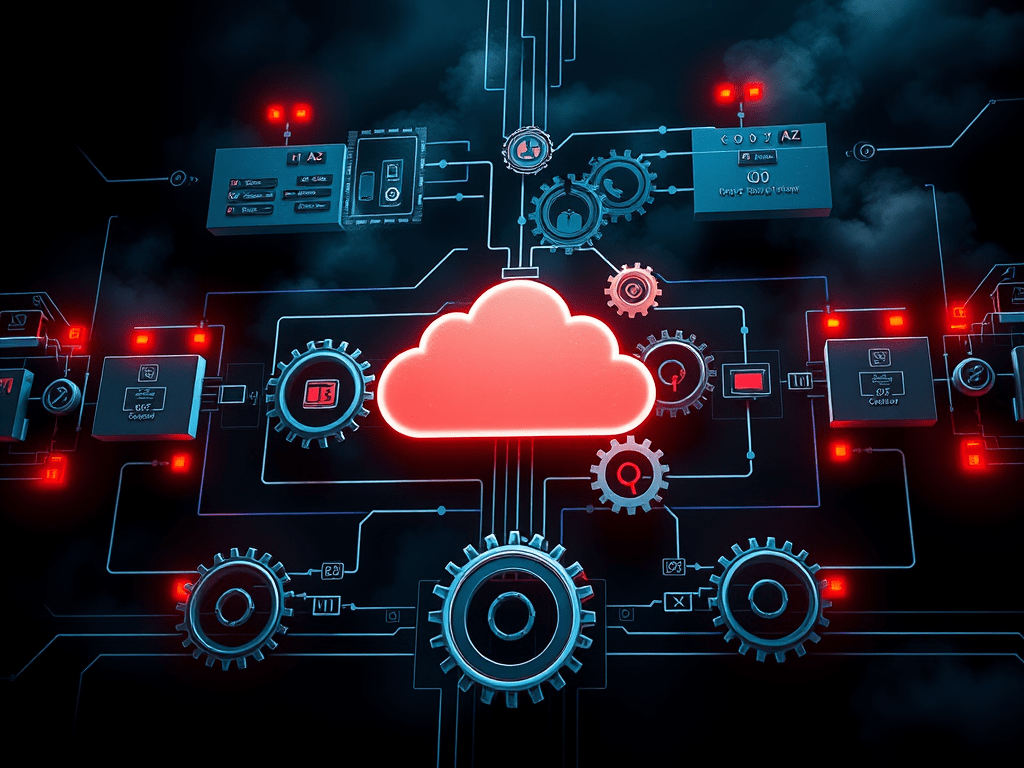
In today’s fast-paced and highly interconnected business environment, *risk management* has become more critical than ever. Traditional methods of identifying and mitigating risks are often too slow and cumbersome to keep up with the dynamic nature of modern threats. This is where automated risk mitigation comes into play. By leveraging advanced technologies such as artificial intelligence (AI) and machine learning (ML), businesses can now proactively identify, analyze, and manage risks in real-time.
Automated risk mitigation involves using software solutions to continuously monitor and assess potential risks. These solutions can quickly process massive amounts of data, identify patterns, and predict possible risk scenarios. This allows organizations to take preemptive actions to mitigate risks before they escalate into significant issues.
One of the key benefits of automated risk mitigation is its ability to provide *real-time insights* and *actionable intelligence*. This enables businesses to respond swiftly to emerging threats, minimizing potential damages and ensuring business continuity. Moreover, automated systems are not prone to human errors, which can often lead to oversight or misjudgment in manual risk assessment processes.
It’s essential to understand that automated risk mitigation is not a one-size-fits-all solution. Different industries face unique risks, and the mitigation strategies must be tailored accordingly. For instance, financial institutions may focus on fraud detection and compliance, while manufacturing sectors might prioritize supply chain disruptions and operational hazards.
By integrating automated risk mitigation into their risk management frameworks, businesses can stay ahead of potential threats and safeguard their operations more effectively. Also follow our videos at https://youtube.com/@atozofsoftwareengineering to stay updated with the latest trends and insights in software engineering.
Understanding Business Risks
To effectively implement automated risk mitigation, it is crucial first to understand the various types of *business risks* that organizations face. Business risks can be broadly categorized into several types:
- Operational Risks: These are risks arising from internal processes, systems, and people. They include equipment failures, human errors, and process inefficiencies.
- Financial Risks: These involve risks related to financial transactions, such as credit risk, market risk, and liquidity risk. Financial risks can impact an organization’s profitability and financial stability.
- Strategic Risks: These are risks associated with high-level business decisions and strategies. They include market competition, changes in consumer preferences, and regulatory changes.
- Compliance Risks: Compliance risks stem from the need to adhere to laws, regulations, and standards. Failure to comply can result in legal penalties, fines, and reputational damage.
- Reputational Risks: These involve risks that can harm an organization’s reputation, such as negative publicity, product recalls, and ethical breaches.
Identifying and understanding these risks is the first step in developing an effective risk mitigation strategy. By recognizing the potential threats specific to their industry and operations, businesses can prioritize their risk management efforts and allocate resources more efficiently.
Additionally, understanding business risks allows organizations to design and implement tailored automated risk mitigation solutions that address their unique challenges. This ensures that the automated systems in place are not only efficient but also relevant to the specific risks the business faces.
In the following sections, we will delve deeper into how automated risk mitigation technologies can be applied to manage these different categories of risks, providing real-world examples and best practices.
Key Technologies in Automated Risk Mitigation

As businesses strive to protect themselves against a multitude of risks, leveraging advanced technologies in *automated risk mitigation* has become indispensable. Several key technologies are instrumental in identifying, analyzing, and managing risks effectively:
- Artificial Intelligence (AI) and Machine Learning (ML): AI and ML algorithms can analyze vast amounts of data to identify patterns and predict potential risks. These technologies can continuously learn and adapt, providing real-time insights and proactive risk management.
- Big Data Analytics: Utilizing big data analytics allows organizations to process and analyze large datasets to uncover hidden risks and trends. This enables more informed decision-making and enhances the accuracy of risk assessments.
- Blockchain Technology: Blockchain offers a decentralized and immutable ledger that can enhance security and transparency in transactions. It helps in mitigating risks related to fraud, data breaches, and compliance by providing a tamper-proof record of activities.
- Internet of Things (IoT): IoT devices collect real-time data from various sources, which can be analyzed to monitor and manage risks. For example, IoT sensors in manufacturing can detect equipment malfunctions before they lead to significant operational disruptions.
- Robotic Process Automation (RPA): RPA can automate repetitive and manual tasks, reducing the chances of human errors and operational risks. It ensures consistency and accuracy in processes, such as compliance checks and financial reporting.
- Cybersecurity Technologies: Advanced cybersecurity measures, including threat detection systems, encryption, and multi-factor authentication, are critical in mitigating cyber risks. These technologies protect against data breaches, hacking, and other cyber threats.
Integrating these technologies into a cohesive automated risk mitigation strategy enables organizations to be more resilient and responsive to emerging threats. By harnessing the power of these technologies, businesses can not only detect and prevent potential risks but also streamline their risk management processes.
In the next section, we will explore the benefits of adopting automated risk mitigation, highlighting how these technologies can transform risk management practices and contribute to overall business success.
Benefits of Automated Risk Management

Adopting *automated risk mitigation* strategies offers numerous advantages for businesses, making it a crucial component of modern risk management. Here are some of the key benefits:
- Enhanced Efficiency: Automation streamlines risk management processes by reducing the need for manual interventions. This leads to faster risk identification, analysis, and response, significantly improving operational efficiency.
- Improved Accuracy: Automated systems minimize human errors that can occur in manual risk assessments. Technologies such as AI and ML provide precise data analysis and risk predictions, enhancing the accuracy of risk management efforts.
- Real-Time Monitoring: Automated risk mitigation tools enable continuous monitoring of risks, providing real-time alerts and updates. This allows businesses to respond promptly to emerging threats and minimize potential impacts.
- Cost Savings: By automating repetitive and time-consuming tasks, companies can reduce operational costs. Additionally, early detection and mitigation of risks can prevent costly disruptions and losses.
- Scalability: Automated risk management solutions can easily scale to accommodate growing business needs. Whether it’s handling increased data volumes or expanding risk parameters, these systems offer flexibility and scalability.
- Regulatory Compliance: Automation helps ensure that businesses stay compliant with regulatory requirements. Automated compliance checks and reporting reduce the risk of regulatory breaches and associated penalties.
- Data-Driven Insights: Leveraging big data analytics and AI, automated risk mitigation provides valuable insights into risk patterns and trends. These data-driven insights support informed decision-making and strategic planning.
By embracing automated risk mitigation, organizations not only protect themselves from potential threats but also gain a competitive edge through improved efficiency, accuracy, and cost-effectiveness. In the following section, we will delve into the best practices for implementing automated risk management systems to maximize these benefits and ensure seamless integration into existing workflows.
Implementing Automated Risk Mitigation Strategies

To fully leverage the benefits of *automated risk mitigation*, businesses need to implement these strategies effectively. Here are some best practices to ensure successful implementation:
- Assess Current Risk Management Processes: Before implementing automation, evaluate existing risk management practices to identify gaps and areas that can benefit from automation. This assessment helps in tailoring the automated solutions to meet specific organizational needs.
- Select the Right Tools and Technologies: Choose automated risk mitigation tools that align with your business requirements. Look for solutions that offer robust features such as real-time monitoring, AI-driven analytics, and seamless integration with existing systems.
- Develop a Comprehensive Plan: Create a detailed implementation plan outlining the objectives, milestones, and timelines. This plan should include a roadmap for integrating automated tools into current workflows and processes.
- Involve Key Stakeholders: Engage key stakeholders, including IT, risk management, and executive teams, in the implementation process. Their involvement ensures that the automated strategy aligns with business goals and receives the necessary support.
- Ensure Data Quality and Integration: Automated risk mitigation relies heavily on data. Ensure that the data inputs are accurate, complete, and up-to-date. Additionally, integrate data from various sources to provide a holistic view of risks.
- Train Employees: Provide comprehensive training to employees on the new automated systems. This training should cover how to use the tools effectively and interpret the insights generated by the automated processes.
- Monitor and Optimize: Continuously monitor the performance of the automated risk mitigation strategies. Use feedback and data analytics to optimize and refine the processes, ensuring they remain effective and relevant.
Implementing automated risk mitigation strategies requires careful planning and execution. By following these best practices, businesses can ensure a smooth transition and maximize the advantages of automation in their risk management efforts. In the next section, we will explore real-world case studies showcasing the successful implementation of automated risk mitigation in various industries.
Future Trends in Risk Mitigation Technology

As technology continues to evolve at a rapid pace, the future of *risk mitigation* is set to be transformed by several emerging trends. Understanding these trends can help businesses stay ahead of the curve and enhance their risk management strategies:
- Artificial Intelligence and Machine Learning: AI and ML are becoming integral to risk mitigation technologies. These technologies can analyze vast amounts of data in real-time, identifying patterns and predicting potential risks with unprecedented accuracy. Businesses can leverage AI-driven insights to make proactive decisions and mitigate risks before they materialize.
- Blockchain Technology: Blockchain offers enhanced security and transparency, making it an invaluable tool for risk mitigation. By providing an immutable record of transactions, blockchain can help in preventing fraud, ensuring data integrity, and enhancing traceability across supply chains.
- Internet of Things (IoT): The proliferation of IoT devices is generating vast amounts of data that can be used for risk mitigation. IoT sensors can monitor environmental conditions, equipment performance, and other critical factors in real-time, enabling businesses to identify and address risks promptly.
- Predictive Analytics: Predictive analytics uses historical data and statistical algorithms to forecast future risks. By anticipating potential issues, businesses can develop contingency plans and allocate resources more effectively, minimizing the impact of unforeseen events.
- Cloud Computing: Cloud-based risk mitigation solutions offer scalability, flexibility, and cost-efficiency. These solutions enable businesses to access advanced risk management tools without significant upfront investments in infrastructure.
- Regulatory Technology (RegTech): RegTech solutions are designed to help businesses comply with regulatory requirements more efficiently. These technologies automate compliance processes, reducing the risk of non-compliance and associated penalties.
Staying updated with these future trends in risk mitigation technology is crucial for businesses aiming to protect their assets and operations. By embracing these innovations, organizations can enhance their risk management capabilities and stay resilient in an ever-changing landscape.
For more insights on the latest software engineering leadership and technology trends, visit our blog at atozofsoftwareengineering.blog. Also, follow our videos at https://youtube.com/@atozofsoftwareengineering.

















Leave a reply to A to Z of Software EngineeringStay Ahead of the Curve: Get Access to the Latest Software Engineering Leadership and Technology Trends with Our Blog and Article Collection!Database Security: Essential Tips to Keep Your Data Safe Cancel reply